The Mississippi River’s humidity and Madison County’s spring rain patterns create perfect conditions for hidden roof deck rot in Maryville homes, particularly where decks are built directly over roof surfaces. From Candlelight Oaks to Deerfield subdivisions, homeowners often discover extensive wood damage only after structural problems become severe. Andy and the team at Trill Roofing, GAF Master Elite contractors, regularly encounter these hidden rot situations during routine inspections across the Riverbend area.
What to Do About Hidden Roof Deck Rot in Maryville
- Schedule a professional inspection immediately if you notice any deck movement, soft spots, or water stains on interior ceilings below deck areas
- Check for gaps between deck boards and roofing materials where water could penetrate
- Document any visible damage with photos before contacting your insurance company
- Remove deck furniture and planters to reduce moisture retention against the roof surface
- Verify your contractor pulls proper Madison County permits for any structural repairs
- Request moisture readings and structural assessments before beginning any repair work
Wood Rot Roof Repair Challenges in Deck-Over-Roof Construction
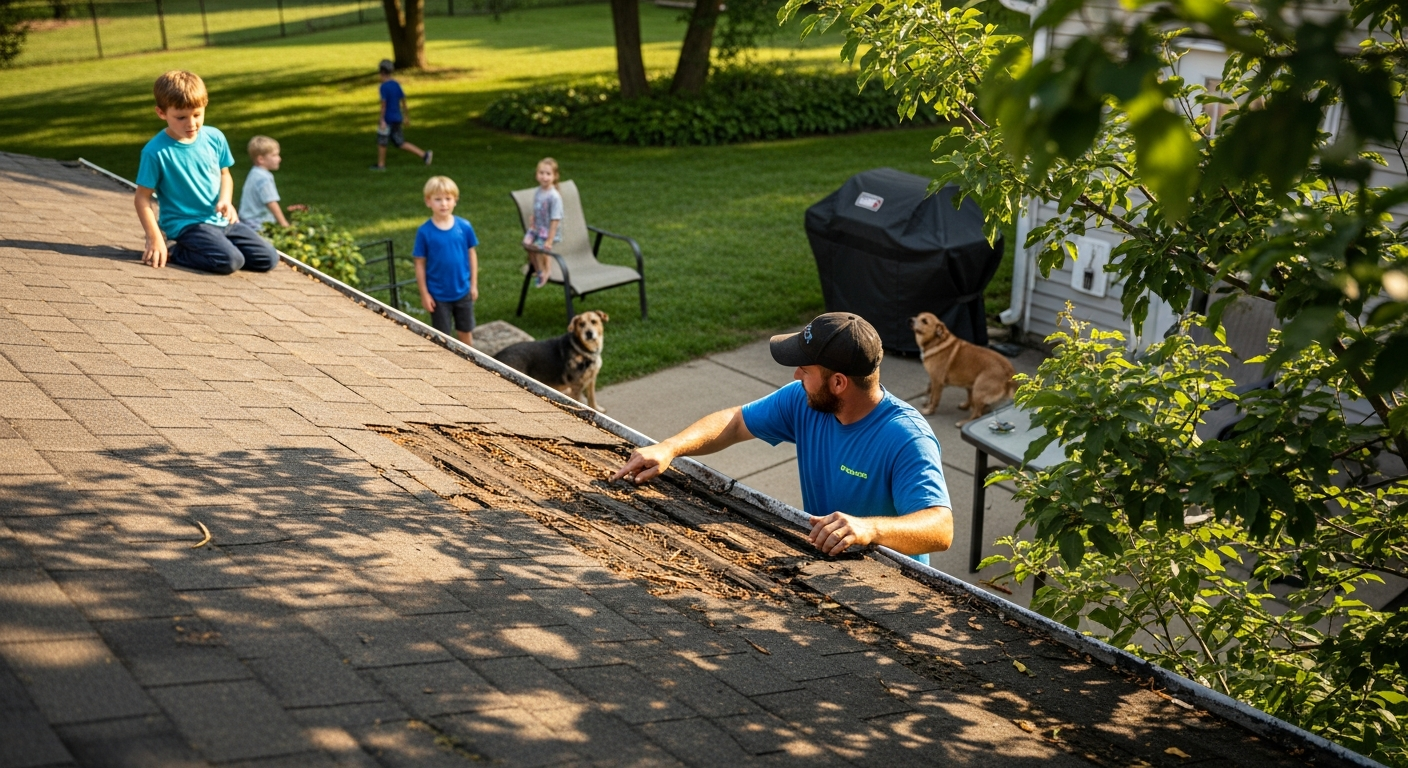
Hidden roof deck rot develops differently than standard roofing problems because the deck structure above blocks visual access to the roof surface. Water enters through improperly sealed deck attachments, inadequate flashing around posts, or failed waterproof membranes beneath the deck. The confined space between deck and roof creates a moisture trap where temperatures stay consistently humid, accelerating wood decomposition.
According to NOAA climate data, the St. Louis metropolitan area, including Madison County, receives an average of 40.3 inches of annual precipitation with summer humidity levels regularly exceeding 70%. This moisture combines with poor air circulation under deck structures to create ideal conditions for fungal growth and wood rot. The problem intensifies when deck drainage systems fail to properly channel water away from the roof surface.
Standard roofing inspections miss these issues because the damage occurs on roof areas completely hidden by the deck above. By the time interior water damage becomes visible, the structural rot often extends well beyond the initial failure point.
Moisture Damage Patterns Specific to Maryville Area Homes
Maryville’s location in the American Bottom floodplain creates unique moisture challenges for deck-over-roof installations. The area’s clay-heavy soil retains moisture longer than surrounding regions, contributing to higher ambient humidity levels around structures. Homes in neighborhoods like Candlelight Oaks and Deerfield, built primarily in the 1980s and 1990s, often feature deck designs that predate current waterproofing standards.
The Illinois State Climatologist Office reports that Madison County experiences freeze-thaw cycles averaging 45 times per winter. These cycles cause deck materials to expand and contract, creating gaps in sealants and flashing that allow water penetration. Spring rainfall, averaging 4.2 inches in April alone, immediately follows these freeze-thaw periods when sealant failures are most common.
Subdivisions along the bluff areas, including Sunset Hills and Indian Meadows, face additional challenges from wind-driven rain. The elevation changes create updrafts that force moisture into gaps between deck boards and underlying roof systems. Homes built on the flatter terrain near Route 159, such as those in Stonegate and Hartwell Prairie, tend to have better drainage but face longer moisture retention periods.
Local building practices from the 1980s often used basic tar paper or felt underlayment beneath decks, materials that deteriorate rapidly in consistently moist conditions. Modern installations require rubber membrane systems, but retrofit applications on existing deck-over-roof structures require complete deck removal for proper installation.
Signs of Roof Rot in Maryville Homes
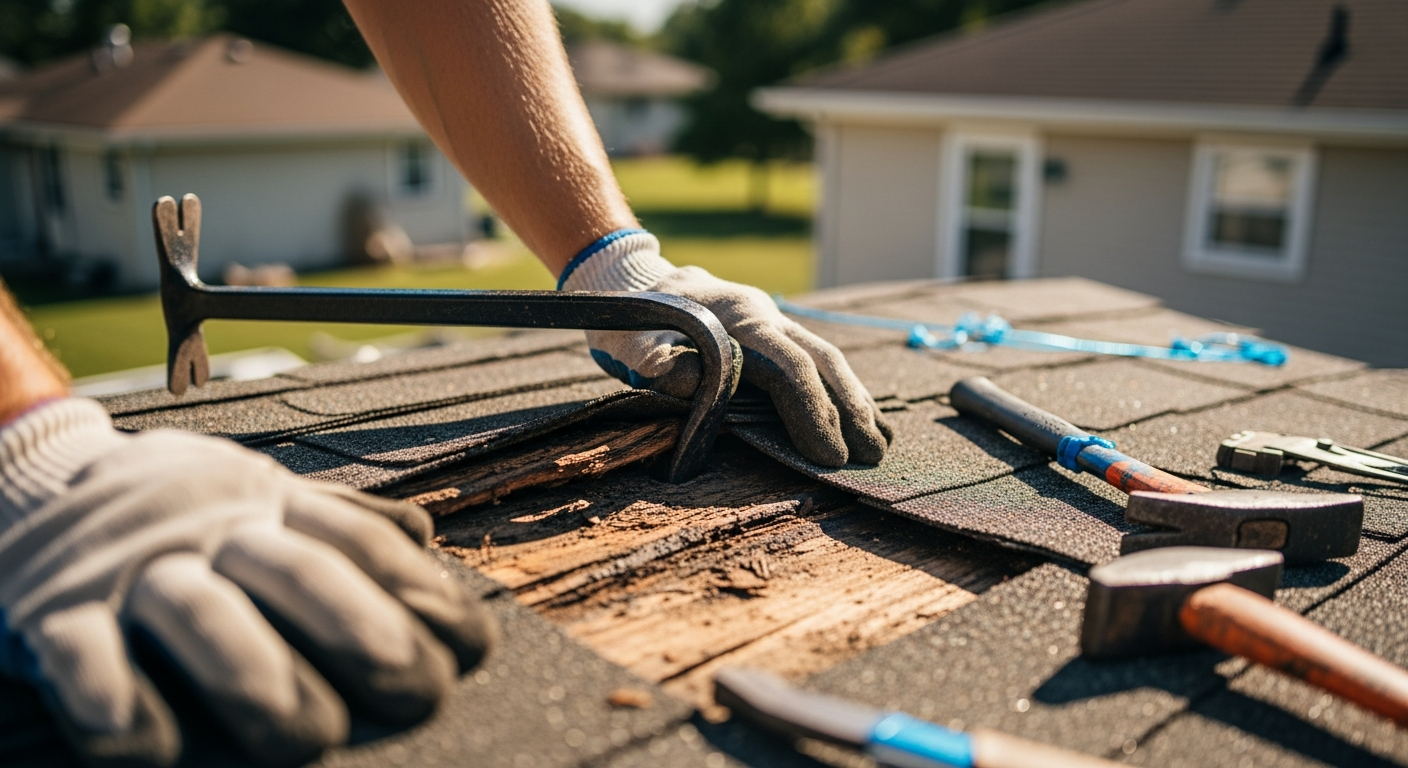
The earliest indicators of hidden roof deck rot appear as subtle changes in deck stability and interior moisture signs. Deck boards that feel spongy underfoot, particularly near support posts or along exterior walls, often indicate underlying structural damage. Posts that show any movement when pressure is applied suggest that the roof decking beneath has lost structural integrity.
Inside the home, water stains on ceilings directly below deck areas provide clear evidence of roof system failure. These stains often appear during heavy rain events but disappear as the area dries, leading homeowners to dismiss them as minor issues. Musty odors in rooms beneath decks, especially in basement or lower-level spaces, indicate active moisture problems and possible mold growth in the hidden roof structure.
Andy from Trill Roofing recently worked with a homeowner in the Candlelight Oaks subdivision who noticed their deck railing had become loose after a spring storm. The initial inspection revealed that water had been entering around the railing post attachments for several seasons, rotting not only the roof decking but also the underlying roof trusses. The damage extended eight feet beyond the visible entry point, requiring structural repairs that cost significantly more than addressing the original flashing failure would have required.
Trill Roofing’s Specialized Approach to Hidden Rot Detection
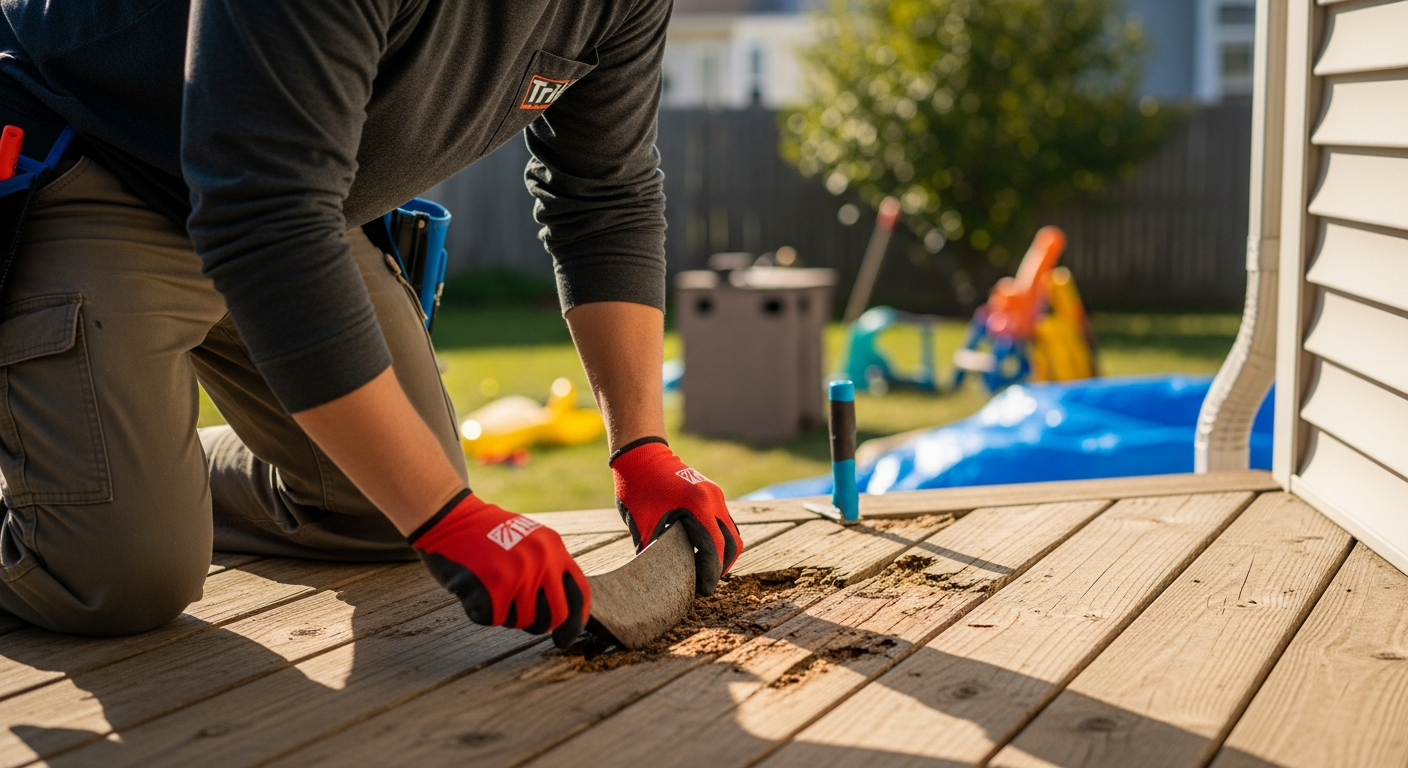
Trill Roofing uses a systematic inspection process that begins with moisture meter readings taken through accessible areas around deck perimeters. Andy and his crew remove select deck boards in strategic locations to visually assess the underlying roof structure without causing unnecessary damage to the deck system. This targeted approach allows them to map the extent of rot damage before developing a repair plan.
The team’s GAF Master Elite training includes specialized techniques for evaluating structural integrity in confined spaces. They use digital moisture meters to identify problem areas and document findings with detailed photography for insurance documentation. Unlike contractors who rely on subcontractors, Trill Roofing’s own craftsmen handle the entire evaluation process, ensuring consistent assessment standards.
Their repair approach involves complete removal of affected decking and roofing materials, treatment of any remaining structural elements, and installation of modern waterproof membrane systems before rebuilding. The process includes upgrading flashing details around all deck attachments and installing proper drainage systems to prevent future moisture problems. All work includes pulling appropriate Madison County permits to ensure compliance with current structural codes.
A recent project in Deerfield involved a homeowner whose insurance initially denied coverage for hidden rot damage. Andy documented the progression of the rot from an identifiable storm event, providing the detailed evidence needed for claim approval. The homeowner ultimately received coverage for the complete deck removal, structural repairs, and waterproof system installation.
Preventing Roof Wood Damage in Illinois Climate Conditions
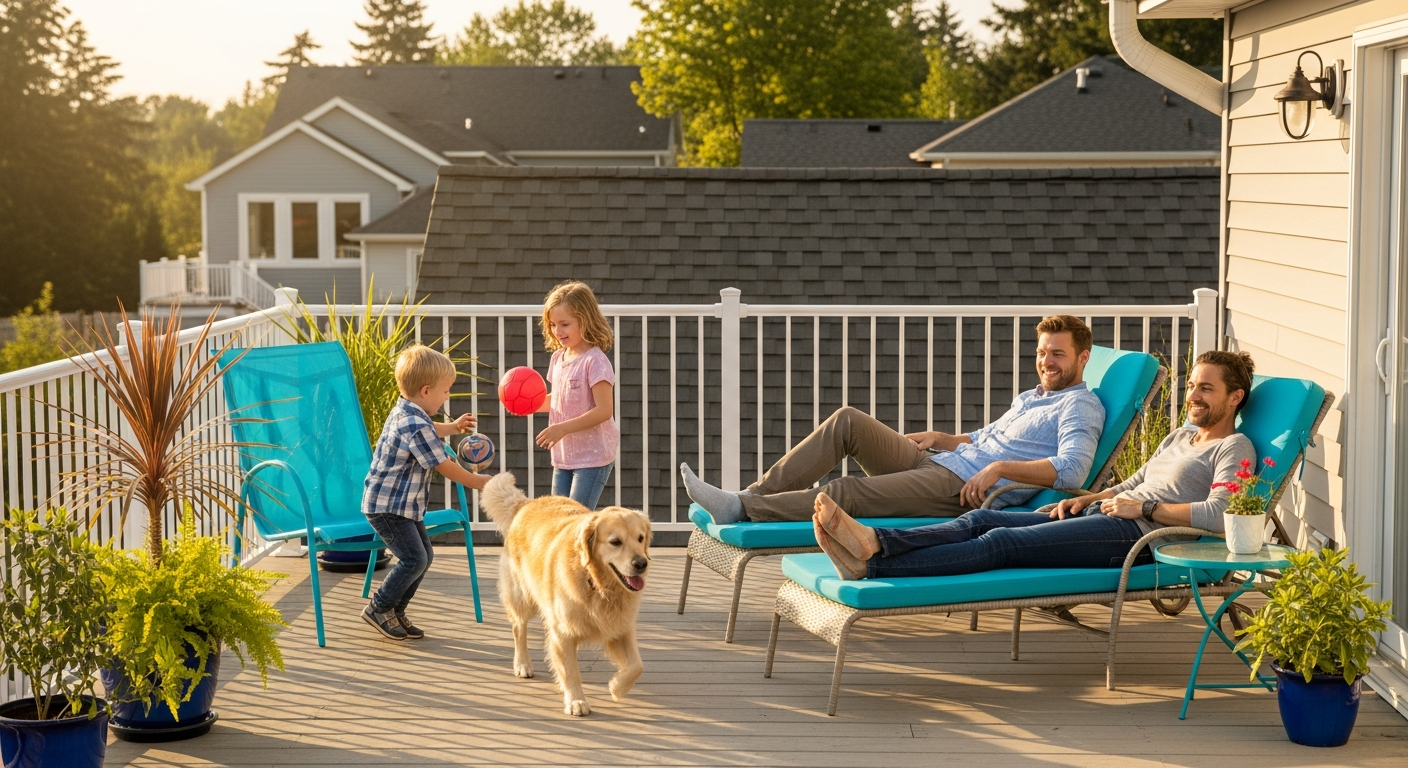
Preventing hidden roof deck rot requires addressing the fundamental moisture control issues that create the problem. Proper deck design includes installing a complete waterproof membrane system over the roof surface before any deck construction begins. This membrane must extend up walls and around all penetrations to create a continuous moisture barrier.
Drainage systems beneath decks need regular maintenance, particularly cleaning of gutters and downspouts that handle water from both the deck surface and any roof areas that drain under the deck. Deck boards should be spaced to allow air circulation, and any furniture or planters should be raised on supports to prevent moisture retention against the deck surface.
The upcoming Illinois statewide building codes, effective January 1, 2025, will require enhanced waterproofing standards for all deck-over-roof installations. These codes mandate professional installation of membrane systems and regular inspection schedules for existing installations. Homeowners with existing deck-over-roof structures should consider proactive upgrades to meet these new standards before problems develop.
Regular professional inspections every three to five years can identify early signs of moisture infiltration before structural damage occurs. Trill Roofing’s inspection process includes moisture damage assessment and documentation that helps homeowners maintain proper insurance coverage for potential future claims.
The investment in proper roof installation processes and waterproofing systems typically costs 20-30% more than basic deck construction but prevents repair costs that often exceed the original installation expense. For Maryville homeowners, this preventive approach makes particular sense given the area’s challenging moisture conditions and the hidden nature of most rot damage.
Contact Trill Roofing for an inspection of your deck-over-roof system. Andy and his team provide detailed moisture assessments and can identify potential problems before they become expensive structural repairs. Their experience with storm damage repair and insurance documentation helps homeowners protect their investment and maintain their home’s structural integrity.
Frequently Asked Questions
How much does hidden roof deck rot repair typically cost in Maryville?
Complete repair of hidden roof deck rot typically ranges from $8,000 to $15,000 for average-sized decks, depending on the extent of structural damage and the need for complete deck removal. This includes waterproof membrane installation, structural repairs, and deck reconstruction. Insurance coverage often applies when the rot results from identifiable storm damage or sudden water infiltration events. Trill Roofing provides detailed estimates that separate structural repairs from deck reconstruction to help homeowners understand coverage options.
Can I detect hidden roof deck rot without removing deck boards?
Early detection is possible through careful observation of deck stability, interior moisture signs, and exterior drainage patterns around the deck perimeter. Moisture meters can identify problem areas through small gaps between deck boards, but definitive assessment requires selective board removal for visual inspection. Professional contractors like Trill Roofing can minimize damage during inspection by strategically removing boards that can be easily reinstalled if no problems are found.
Will my homeowner’s insurance cover hidden roof deck rot repairs?
Insurance coverage depends on the cause and timeline of the rot development. Sudden water infiltration from storm damage or plumbing failures typically receives coverage, while gradual deterioration from maintenance neglect often does not. Proper documentation of the damage progression and identification of the initial cause significantly improves claim success rates. Trill Roofing’s experience with insurance documentation helps homeowners present claims that maximize coverage opportunities while ensuring all repairs meet current building standards.