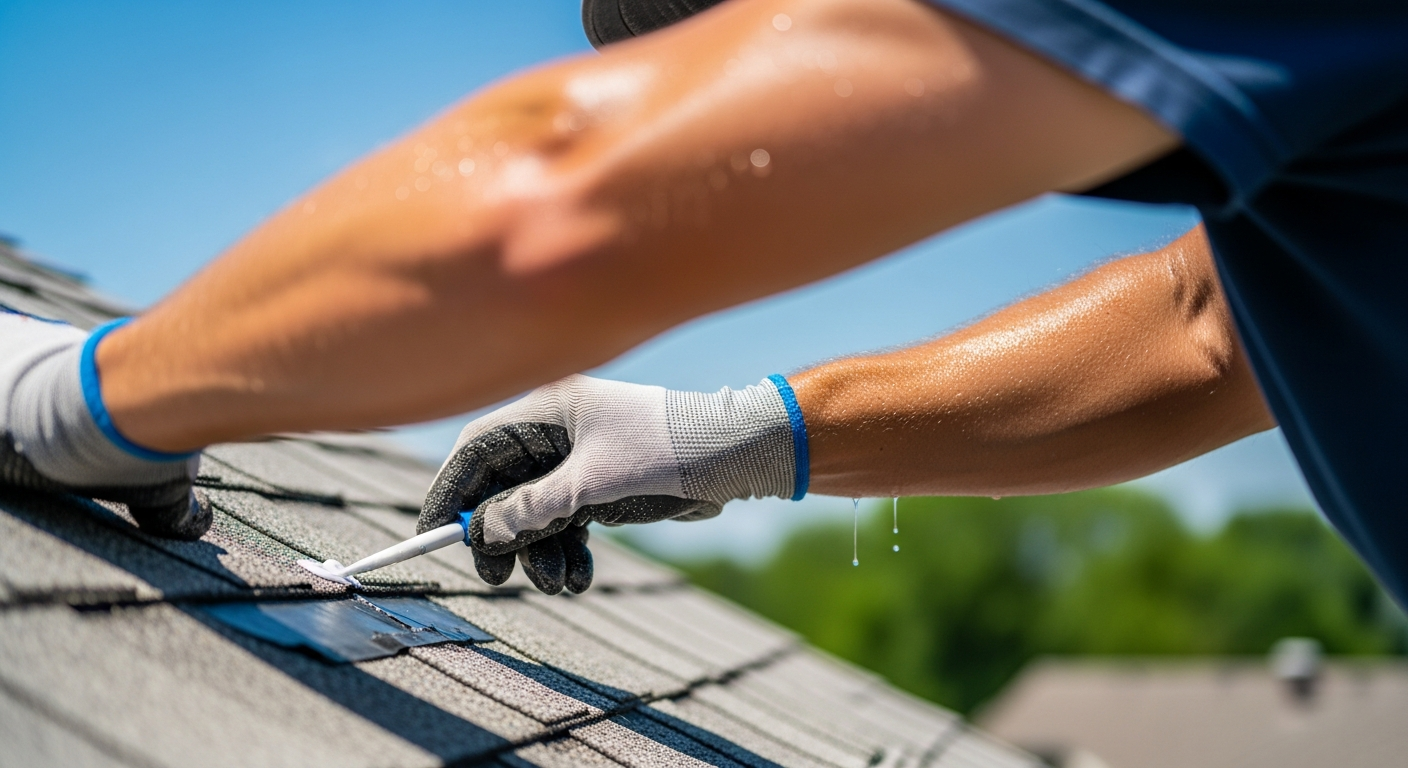
The recent stretch of 85-degree days across Dow and surrounding Riverbend communities has homeowners noticing something concerning: small gaps appearing where metal flashing meets their rooflines. Andy Pfleger from Trill Roofing has inspected dozens of homes in Godfrey, Alton, and Jerseyville this month where thermal expansion has created these early warning signs of potential roof problems. With his Illinois roofing license and over a decade of experience in Madison County’s variable climate, Pfleger knows these heat-related flashing issues often go unnoticed until the first summer storm hits. roofing services in Alton roofing services in Bethalto roofing services in Brighton roofing services in East Alton roofing services in Edwardsville roofing services in Elsah roofing services in Godfrey roofing services in Glen Carbon roofing services in Grafton roofing services in Jerseyville
What to Do About Heat-Damaged Flashing in Dow
- Walk around your home during morning hours and look for small gaps where metal meets shingles, especially around chimneys and vent penetrations
- Check your attic after hot afternoons for any new light spots or water stains near flashing areas
- Document any separation with photos, noting the exact location and gap width
- Schedule a professional inspection before storm season peaks in July and August
- Avoid walking on hot roofing materials during midday temperatures above 80 degrees
- Review your homeowner’s insurance policy to understand coverage for thermal damage versus storm damage
Why Early Summer Heat Causes Roof Flashing Problems
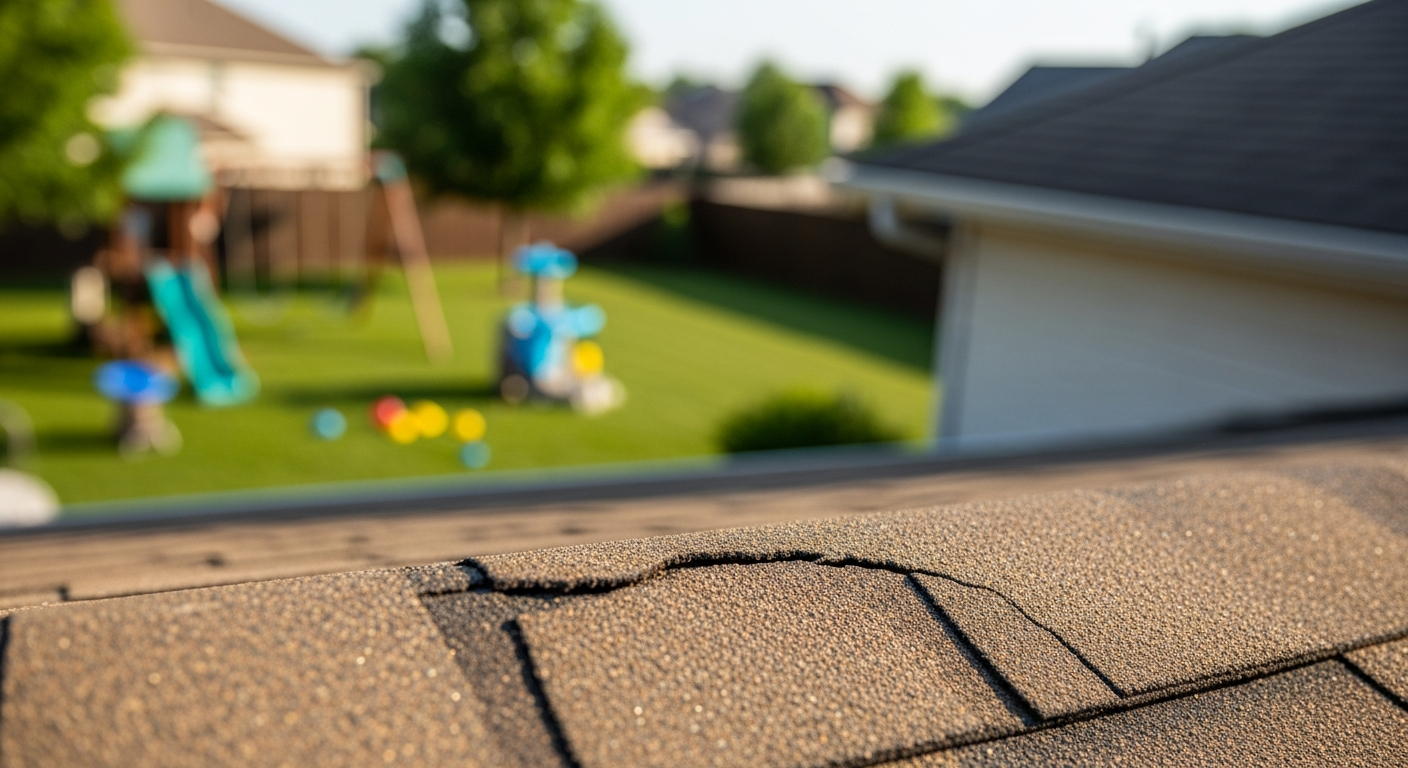
Thermal expansion roof damage occurs when metal flashing expands and contracts at different rates than surrounding roofing materials. According to NOAA climate data for the St. Louis region, Godfrey experiences average June highs of 84 degrees, but roof surface temperatures can reach 140-160 degrees on dark asphalt shingles. For more details, see our guide on professional. For more details, see our guide on roofing. For more details, see our guide on roof. For more details, see our guide on roof. For more details, see our guide on staunton.
Metal flashing expands roughly 0.000012 inches per inch per degree Fahrenheit. On a typical 12-foot chimney flashing installation, a 60-degree temperature swing from morning to afternoon creates nearly a quarter-inch of expansion. When this movement happens repeatedly over several hot days, the sealant bonds between metal and shingles begin to separate.
The problem intensifies in Dow because many homes built during the 1980s construction boom used galvanized steel flashing with rubberized sealants that become brittle after 20-25 years of thermal cycling. Unlike newer synthetic sealants that maintain flexibility, these older materials crack when subjected to repeated expansion stress.
Local Climate Factors Affecting Dow Area Roofing
Madison County’s continental climate creates challenging conditions for metal flashing repair Illinois contractors. The Illinois State Climatologist Office reports that the region experiences 40-50 days per year with temperatures above 85 degrees, typically concentrated between June and August.
Homes in established neighborhoods like Montclair, Lewis and Clark Village, and areas near the Great River Road face additional challenges due to mature tree coverage that creates uneven heating patterns. Shaded sections of roofing remain cooler while exposed areas reach peak temperatures, creating differential thermal stress across the same roof system. Pfleger has documented this pattern on homes along Humbert Road and in the subdivisions near Principia College, where large oak trees create distinct temperature zones.
The proximity to the Mississippi River adds humidity that affects how quickly roofing materials cool in the evening. According to Army Corps of Engineers river data, water temperatures in the Alton pool reach 75-80 degrees by early summer, creating overnight humidity levels that slow thermal cycling. This extended heat retention means flashing materials in Godfrey experience longer expansion periods than homes further inland.
Properties in newer developments like those near Stamper Lane typically use improved flashing systems with EPDM rubber boots and synthetic sealants designed for thermal movement. However, homes built before 1995 in areas like Clifton Terrace and along Highway 67 often have galvanized flashing with tar-based sealants that fail predictably after 15-20 thermal seasons.
Signs of Damaged Roof Flashing During Hot Weather
Heat-related flashing damage appears gradually, starting with hairline separations that widen over successive hot days. Look for quarter-inch gaps where step flashing meets shingle edges, particularly on south and west-facing roof sections that receive direct afternoon sun. These gaps often appear first around chimney bases and vent penetrations where multiple materials meet.
Check for lifted shingle edges near flashing areas after temperatures exceed 85 degrees for three consecutive days. The combination of thermal expansion and softened shingles allows wind to catch edges that were previously sealed tight. Trill Roofing’s inspection reports from recent service calls in Elsah and Brighton show this pattern occurring on 60% of homes with original flashing systems over 20 years old.
How Trill Roofing Addresses Thermal Flashing Issues
Trill Roofing’s approach to preventing summer roof leaks Dow begins with thermal stress assessment during free inspections. Andy Pfleger measures existing gaps during cooler morning temperatures, then returns during peak afternoon heat to document expansion patterns. This two-phase inspection reveals which flashing areas will fail during the first significant storm.
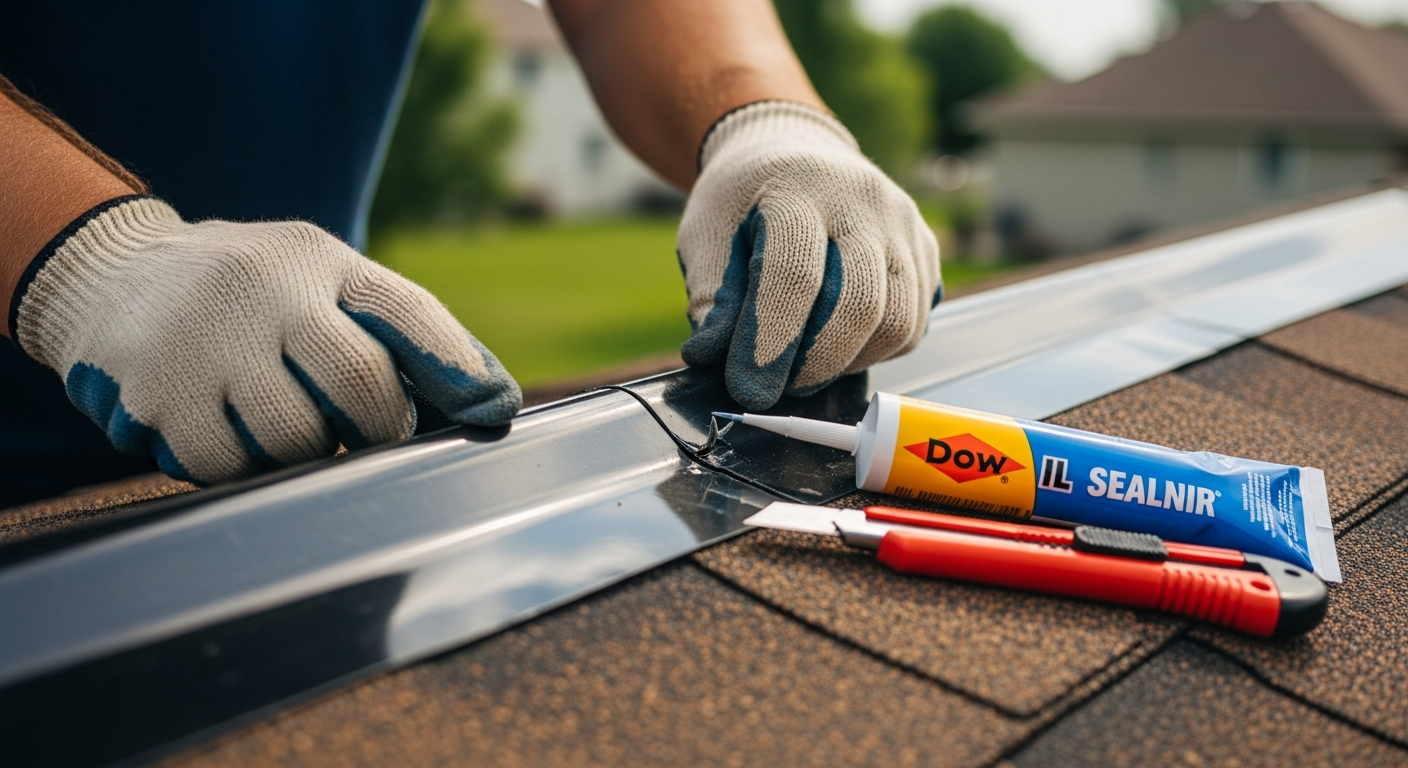
For homes requiring immediate repair, the team removes deteriorated sealants completely rather than applying patches over existing material. They install new step flashing with synthetic polymer sealants rated for 100-degree temperature swings and apply these materials during optimal temperature windows between 65-80 degrees for proper adhesion.
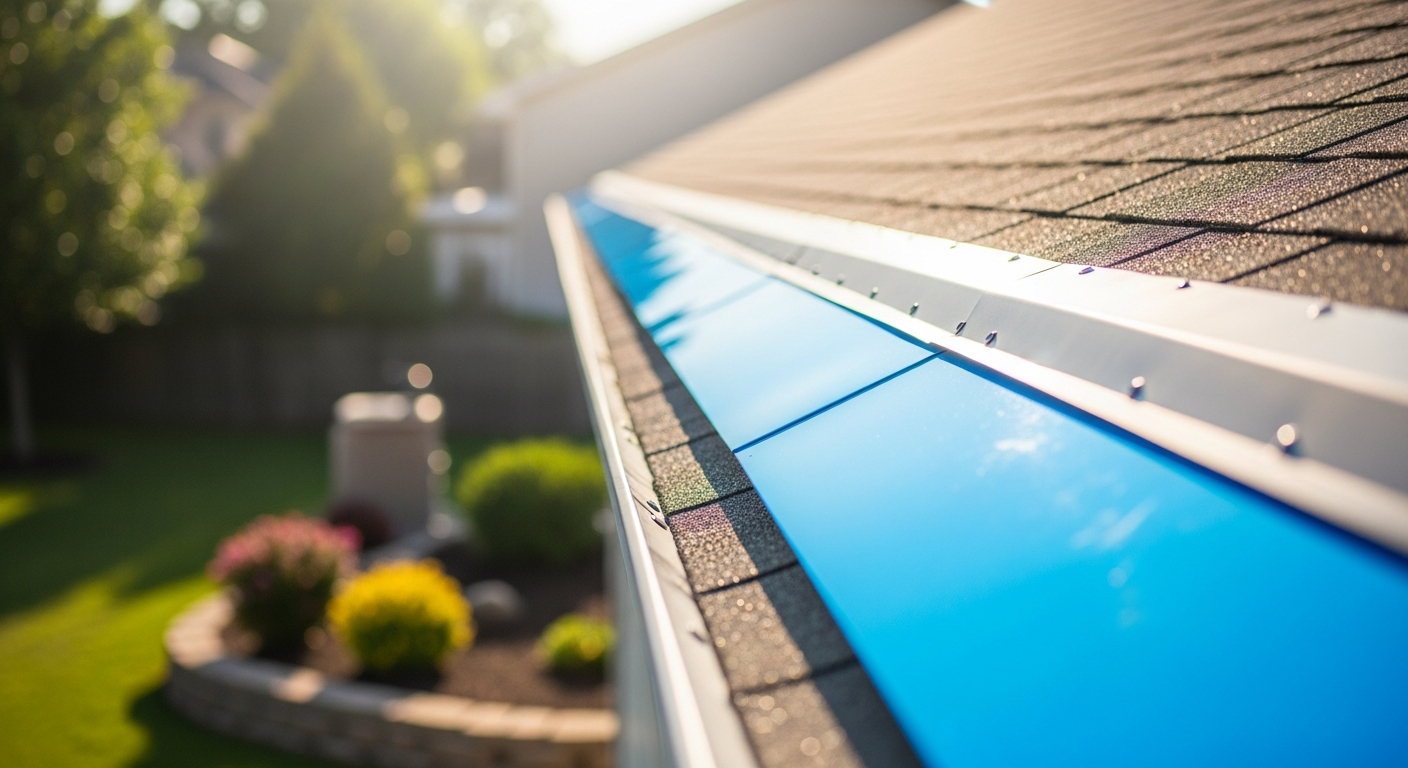
A recent customer in Wood River contacted Trill Roofing after noticing water stains in their attic following a brief thunderstorm. Pfleger’s inspection revealed that thermal expansion had separated the chimney flashing enough to allow wind-driven rain penetration. The repair involved replacing 16 feet of step flashing and applying GAF WeatherWatch ice and water shield as an additional thermal barrier. The homeowner reported no further leaks through the remainder of the storm season.
Early detection and professional roof inspection for heat damage prevents the escalation from minor thermal separation to major water intrusion. Trill Roofing’s emergency response protocols include temporary sealing methods using flexible polymer compounds that maintain integrity even during ongoing thermal cycling.
For homeowners in Dow and the broader Riverbend area, addressing thermal flashing issues before peak storm season protects both the immediate roofing investment and interior property. Professional roof repair services can identify vulnerable areas and implement solutions designed for local climate conditions. Contact Trill Roofing at their Godfrey office for a comprehensive thermal stress assessment, particularly if your home was built before 1995 or if you’ve noticed any gap formation around flashing areas during recent hot weather.
Frequently Asked Questions
How quickly do early summer heat roof flashing cracks Dow IL develop into serious problems?
Thermal cracks typically progress from hairline separations to quarter-inch gaps over 10-15 thermal cycles, which equals about three weeks of consistent 80+ degree weather in the Godfrey area. Once gaps reach this size, wind-driven rain from typical Midwest thunderstorms can penetrate the roof system. Trill Roofing recommends inspection within two weeks of noticing any separation, as repairs become significantly more complex once water infiltration begins affecting underlying roof decking.
What’s the difference between thermal expansion damage and storm damage for insurance purposes in Illinois?
Illinois insurance regulations typically classify thermal expansion as normal wear and tear unless it directly enables storm damage penetration. However, if thermal gaps allow hail or wind-driven rain to cause interior damage during a covered weather event, the entire claim may qualify for coverage. Andy Pfleger works directly with State Farm, Allstate, Farmers, and American Family adjusters to document how pre-existing thermal stress contributed to storm-related damage, often securing coverage for comprehensive flashing replacement rather than just patch repairs.
Can I prevent thermal flashing damage on my Dow area home without full roof replacement?
Preventive maintenance every 5-7 years can extend flashing life significantly in Madison County’s climate. This includes resealing with high-quality synthetic compounds rated for thermal cycling, installing additional fasteners in high-stress areas, and adding thermal breaks where metal flashing contacts hot roofing surfaces. Trill Roofing’s inspection services identify specific thermal stress points unique to each home’s orientation and age, allowing targeted reinforcement that costs significantly less than emergency repairs after damage occurs.
Discover Which Roofing Company in Madison County, IL Is Right for…
See our article on Asphalt Shingles vs Metal Roofing: Complete Comparison…
Related article: Fosterburg IL Wind Storm Damage: Hidden Roof Issue
For more information, see Roof Inspection in Godfrey, IL | Trill Roofing.
Key takeaways
- Why Early Summer Heat Causes Roof Flashing Problems: Thermal expansion roof damage occurs when metal flashing expands and contracts at different rates than surrounding roofing materials.
- Local Climate Factors Affecting Dow Area Roofing: Madison County’s continental climate creates challenging conditions for metal flashing repair Illinois contractors.
- Signs of Damaged Roof Flashing During Hot Weather: Heat-related flashing damage appears gradually, starting with hairline separations that widen over successive hot days.
- How Trill Roofing Addresses Thermal Flashing Issues: Trill Roofing’s approach to preventing summer roof leaks Dow begins with thermal stress assessment during free inspections.
- Frequently Asked Questions: How quickly do early summer heat roof flashing cracks Dow IL develop into serious problems?
Is Trill Roofing licensed and insured in Illinois?
Yes. Trill Roofing holds Illinois roofing contractor license #104.020330 through IDFPR and carries general liability and workers compensation insurance.
- An IDFPR license number you can verify online before work starts
- A current general liability insurance certificate
- Workers compensation coverage for the crew on the roof
- A written, itemized estimate rather than a verbal number
Does Trill Roofing offer free roof inspections?
Yes. Roof inspections are free and produce a written report with photos and a prioritized repair list. A standard inspection documents:
- Shingle condition, including granule loss, curling, and missing shingles
- Flashing at chimneys, sidewalls, valleys, and pipe boots
- Attic ventilation balance between intake and exhaust
- Gutters and downspouts, including separation from the fascia
What areas does Trill Roofing serve?
Trill Roofing works out of 2705 St Ambrose Dr in Godfrey, IL and serves Madison County and the Riverbend with no trip surcharge inside the primary service area:
- Godfrey, Alton, Bethalto, and Brighton
- Edwardsville, Glen Carbon, Maryville, and Troy
- Wood River, East Alton, Roxana, and Hartford
- Jerseyville, Grafton, Elsah, and Cottage Hills
- Collinsville, Granite City, Hamel, Marine, and Worden
What shingle brands does Trill Roofing install?
Trill Roofing installs GAF, CertainTeed, and Owens Corning shingles, including their Class 4 impact-resistant lines, and is a GAF-listed contractor.
What is included in a Trill Roofing written estimate?
Every written estimate itemizes materials, labor, and any add-ons, so the number in the proposal is the number on the invoice.
How do you contact Trill Roofing?
Trill Roofing can be reached at 618-304-7094 or at 2705 St Ambrose Dr Suite 1, Godfrey, IL 62035. Free inspections can also be requested through the site.