Your roof protects everything under it—your family, your belongings, and your home’s structural integrity. When shingles age out or storms strike, Madison County homeowners need reliable information about roof replacement costs, timelines, and how to select a contractor they can trust.
This guide covers what you need to know about roof replacement in Madison County, Illinois. You’ll learn typical costs for local homes, which materials withstand Illinois weather best, how long the process takes, and what to look for when hiring a contractor. Whether you’re dealing with storm damage or planning a proactive replacement, these facts help you make informed decisions.
With offices in Godfrey and service throughout the Riverbend and Metro East, we understand Madison County’s specific climate challenges—from summer hailstorms to winter freeze-thaw cycles. Let’s start with what most homeowners want to know first: the cost.
How Much Does Roof Replacement Cost in Madison County, IL?
Most homeowners in Madison County pay between $8,500 and $25,000 for a complete roof replacement, with the average project falling around $12,000 to $15,000 for a typical 2,000-square-foot home using architectural asphalt shingles. Exact pricing depends on your roof’s size, pitch, accessibility, and material selection. Madison County pricing tracks within 5% of the Illinois state average, though homes in older neighborhoods like Alton or Edwardsville may require additional deck repairs.
Factors That Affect Your Quote
Roof size measured in “squares” (100 square feet) drives baseline costs. A 20-square roof needs twice the material of a 10-square roof. Pitch matters: steep roofs above 6/12 pitch require additional safety equipment and labor time. Complexity adds cost too—multiple dormers, valleys, chimneys, and skylights each require custom flashing work. Finally, existing damage determines whether your decking needs replacement, which adds $1,000 to $3,000 to most projects.
Illinois Insurance Coverage for Roof Replacement
Homeowner’s insurance covers roof replacement when damage results from sudden peril—hailstorms, wind damage, fallen trees, or fire. Insurance does not cover wear from age or lack of maintenance. In Madison County, where hail and wind claims are common, most policies cover the full replacement cost minus your deductible. Review your policy’s “actual cash value” versus “replacement cost” terms before filing a claim.
Financing Options for Madison County Homeowners
Several pathways exist for handling out-of-pocket costs. Many Madison County homeowners combine insurance proceeds with financing for deductible amounts and upgrades. Some contractors offer third-party financing with deferred interest periods. Local credit unions like SCU Credit Union and 1st MidAmerica Credit Union provide home improvement loans with competitive rates for qualified borrowers.
What Are the Best Roofing Materials for Illinois Weather?
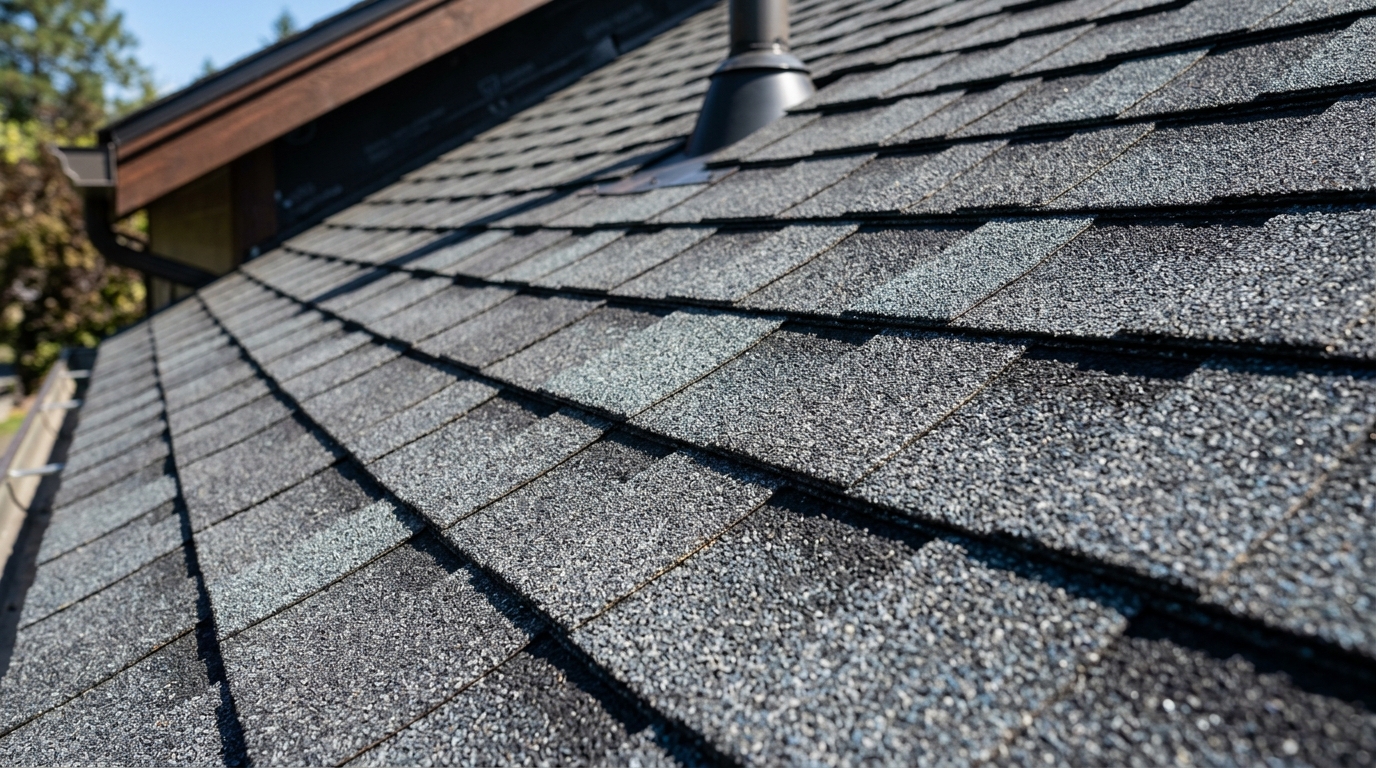
Architectural asphalt shingles remain the most popular choice for Madison County homes, offering the best balance of upfront cost, durability, and performance in Illinois’s climate. Metal roofing delivers superior longevity and hail resistance but costs 2-3 times more upfront. For most homeowners, a 30-year or 50-year architectural shingle provides adequate protection against the region’s heat, cold, and storms.
Asphalt Shingles vs. Metal Roofing for Madison County Homes
| Feature | Architectural Asphalt Shingles | Metal Roofing (Standing Seam) |
|———|——————————–|——————————-|
| Upfront Cost | $4.50-$7.50 per sq ft | $9-$14 per sq ft |
| Lifespan | 25-30 years | 40-70 years |
| Hail Resistance | Class 3-4 impact rated | Highest rating, dent-resistant |
| Wind Resistance | 110-130 mph | 140+ mph |
| Energy Efficiency | Standard | Reflective, 25% cooling savings |
| Appearance | Traditional, varied colors | Modern, agricultural, contemporary |
How Long Do Roofing Materials Last in Illinois Climate?
Illinois weather tests roofing materials. Freeze-thaw cycles in winter cause expansion and contraction. Hot humid summers accelerate shingle aging. The 25-30 year lifespan advertised for asphalt shingles assumes proper installation and ventilation. Metal roofing withstands these cycles better, maintaining its integrity for 40-70 years. Premium composite materials offer middle-ground longevity at 30-50 years with Class A fire ratings and strong impact resistance.
Hail and Wind Resistance Ratings
Madison County sits in a moderate to high hail risk zone. Look for shingles with Class 4 impact resistance—the highest rating—if hail protection matters. These shingles withstand 2-inch steel ball impacts without cracking. For wind, choose shingles rated to 130 mph or higher. Proper installation technique matters as much as the rating; six nails per shingle and proper sealing beat four-nail installation every time.
How Long Does Roof Replacement Take in Madison County?
Most residential roof replacements in Madison County complete in one to three days, depending on roof size, complexity, and weather. A straightforward 1,500-square-foot ranch with a single layer of shingles to remove typically finishes in a single day. Complex projects with multiple layers, steep pitches, or extensive repairs may extend to three days. Plan for the contractor to arrive between 7-8 AM and work until 5-6 PM.
Step 1: Free Inspection and Quote
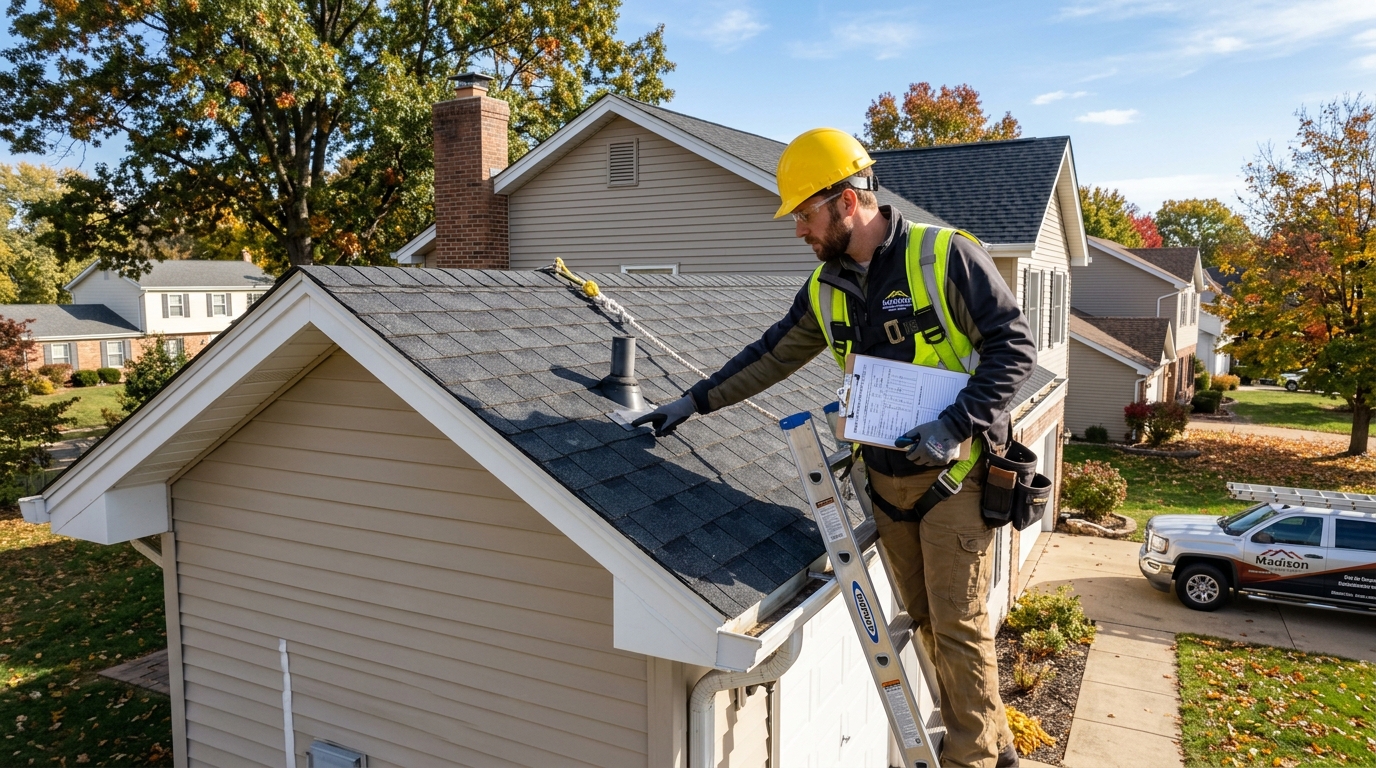
The process starts with a professional roof inspection. A qualified inspector examines your shingles, flashing, decking, and ventilation. They document damage with photos and measurements. Within 24-48 hours, you receive a written estimate covering materials, labor, permits, and cleanup. This stage takes 1-3 days depending on scheduling.
Step 2: Material Selection and Permitting
Once you approve the quote, select your shingle color and style. For insurance claims, your contractor coordinates with the adjuster to finalize scope. Madison County requires building permits for roof replacement—your contractor should handle this paperwork. Material delivery typically schedules 3-7 days out depending on supplier availability.
Step 3: The Installation Day
The crew arrives early to protect landscaping and set up safety equipment. They remove existing shingles, inspect decking for damage, replace any compromised sections, install ice and water shield at valleys and eaves, apply synthetic underlayment, then install new shingles with proper ventilation. The team cleans up with magnetic rollers to catch stray nails.
Step 4: Final Inspection and Cleanup
A project manager walks the completed roof, checking shingle alignment, flashing details, and ventilation. City inspectors may visit for permit sign-off. You receive warranty documentation and care instructions. The entire process—from contract signing to final walkthrough—typically spans one to two weeks including material delivery and scheduling.
How to Choose a Roof Replacement Contractor in Madison County?
Five key factors separate reliable Madison County roofing contractors from risky outfits:
- Proper Illinois licensing
- Adequate insurance
- Local references
- Manufacturer certifications
- Written warranties
Owner-operated companies with established local presence consistently outperform storm-chasing crews who appear after hail events and vanish before warranty claims arise.
Verify Illinois IDFPR License and Insurance
Illinois requires roofing contractors to hold a state license through the Department of Financial and Professional Regulation (IDFPR). Ask for the license number and verify it online. Confirm both general liability insurance ($1 million minimum) and workers’ compensation coverage. Uninsured contractors expose homeowners to liability if workers get injured on their property.
Check Local Madison County References
Request recent local references specifically within Madison County. Drive past completed jobs in your area—Granite City, Edwardsville, Alton, or your specific neighborhood. Look for clean shingle lines, straight ridge caps, and proper flashing details. Check online reviews on Google and the Better Business Bureau. Established local contractors have 5+ years of traceable history.
Look for Manufacturer Certifications
Top shingle manufacturers—GAF, CertainTeed, Owens Corning—certify contractors who meet training and installation standards. GAF Certified Contractors, for example, can offer enhanced warranties covering both materials and workmanship for up to 50 years. These certifications indicate ongoing education and quality commitment.
Review Warranty Coverage
Understand both the manufacturer’s material warranty and the contractor’s workmanship warranty. Material warranties range from 25 years to lifetime. Workmanship warranties should cover installation errors for at least 5 years, preferably 10. Get all warranty terms in writing before signing.
Watch for Storm Chaser Red Flags
– Door-to-door solicitation after storms
– Pressure to sign immediately or “prices go up tomorrow”
– Requests for full payment upfront
– Out-of-state license plates or temporary offices
– No local references or verifiable address
– Offers to “handle” your insurance claim for you
Trust local contractors with established Godfrey, Alton, or Edwardsville offices who will be available if issues arise years later.
Does Insurance Cover Roof Replacement in Madison County?
Yes—homeowner’s insurance covers roof replacement when damage results from sudden, accidental perils like hailstorms, wind damage, fallen trees, or fire. Insurance does not cover replacement due to normal wear, age, or lack of maintenance. For Madison County homeowners, where hail and severe storms occur regularly, understanding your coverage before damage strikes ensures you maximize your claim when needed.
What Insurance Covers vs. Excludes
Covered perils include wind lifting shingles, hail bruising, falling tree branches, fire, and vandalism. Excluded causes include age-related deterioration, improper installation, lack of maintenance, and certain high-wind events if your policy has specific exclusions. Most policies cover the dwelling structure itself; separate coverage applies to detached garages or sheds.
Actual Cash Value vs. Replacement Cost Policies
The policy type determines your payout. Actual Cash Value (ACV) policies depreciate your roof based on age—a 15-year-old roof gets significantly less than replacement cost. Replacement Cost Value (RCV) policies pay the full cost of new materials minus your deductible, regardless of age. Premium RCV policies cost more upfront but prevent out-of-pocket surprises after storm damage.
How to File a Roof Replacement Claim in Illinois
1. Document damage immediately with dated photos
2. Review your policy declarations page for coverage limits
3. Contact your insurance company’s claims hotline
4. Meet with the adjuster when they inspect—contractor presence helps
5. Get the adjuster’s written scope of work
6. Compare adjuster scope against contractor’s findings
7. File supplemental claims if discrepancies exist
Madison County sees frequent hail events; inspect your roof after every major storm even if you do not see interior leaks.
When Insurance Only Offers Repair
Sometimes adjusters approve repairs when contractors recommend replacement. This happens when damage appears isolated or when policies use strict testing criteria. You have the right to request a second adjuster inspection or hire a public adjuster. Your contractor can document full damage with photos and manufacturer defect letters to support full replacement scope. Most reputable contractors assist with this documentation at no额外 charge.
What Time of Year Is Best for Roof Replacement in Illinois?
Late spring through early fall offers optimal conditions for roof replacement in Madison County, with May, June, September, and October providing the best combination of dry weather and moderate temperatures. However, emergency replacements due to storm damage or active leaks occur year-round, and experienced crews install roofs successfully even in winter with proper precautions.
Spring and Fall: Ideal Conditions
Temperatures between 45°F and 85°F allow shingles to seal properly. Spring scheduling means your roof is ready for summer storm season. Fall installations catch damage before winter freeze-thaw cycles worsen problems. These seasons book fastest—schedule 4-6 weeks ahead during peak periods.
Summer: High Heat Considerations
July and August heat presents challenges. Shingles soften in 90°F+ temperatures, making them harder to cut cleanly and more prone to scuffing during installation. Crews start earlier (6-7 AM) to avoid midday heat. Asphalt adhesives activate faster in heat, which actually helps shingles seal quickly once installed.
Winter: Cold Weather Installation
Roof replacement continues through winter in Madison County during dry periods. Manufacturers allow installation down to 40°F for most asphalt shingles, though 45°F+ is preferable. Hand-sealing with roofing cement replaces the sun’s activation of adhesive strips. Cold weather installations take longer but protect your home from winter storm damage. Avoid installation during active snow or ice.
Post-Storm Emergency Replacements
Hailstorms do not wait for ideal timing. When storms damage your roof, temporary tarping prevents interior damage, then permanent replacement proceeds as weather allows. Insurance claims from summer storms often create fall backlogs, so file promptly and get on contractor schedules early.
How Quality Roofing Protects Madison County Homes
Roof replacement represents one of the most significant structural investments a homeowner makes, protecting everything beneath it from Madison County’s challenging weather patterns. The roof serves as the primary shield against the region’s severe thunderstorms, hail events, summer heat, and winter freeze-thaw cycles that test building materials year-round.
Quality installation extends beyond shingle placement. Proper ventilation prevents attic moisture buildup that warps decking and compromises insulation. Ice and water shield at eaves and valleys protects against ice dam backup during February freezes. Correct flashing around chimneys and dormers directs water away from penetration points where leaks most commonly originate.
For Madison County homeowners, material selection carries local implications. The region’s position at the junction of several climate zones means roofs face both humid subtropical summer conditions and continental winter cold. Materials rated for this specific climate zone—Class 4 impact ratings for hail resistance, 130+ mph wind ratings for tornado season—provide appropriate protection levels. Generic “national” recommendations often underestimate the cumulative stress Illinois weather applies.
The decision to replace a roof affects more than immediate leak prevention. Modern reflective shingles reduce cooling loads during July and August humidity, lowering utility bills. Properly ventilated attic spaces extend HVAC system life by reducing temperature extremes. And documented roof condition impacts resale values throughout Metro East communities where buyers scrutinize maintenance history.
Selecting the right contractor matters as much as material selection. Owner-involved companies with Madison County installation history understand local building stock—from the historic homes in Alton’s Christian Hill to newer subdivisions in Edwardsville. This local knowledge translates to proper handling of unique challenges like slate roof transitions, ornate fascia work, and municipal permit requirements that vary between municipalities.
Frequently Asked Questions About Roof Replacement in Madison County
How often should a roof be replaced in Illinois?
Most asphalt shingle roofs in Illinois need replacement every 25-30 years with proper maintenance. Madison County’s severe weather—including hail, high winds, and freeze-thaw cycles—can shorten this timeline. If your roof is 20+ years old, schedule an inspection even if you don’t see active leaks.
Can you replace a roof in winter in Madison County?
Yes, roof replacement proceeds through winter during dry periods. Manufacturers permit installation down to 40°F, though 45°F+ is preferable. Crews hand-seal shingles with roofing cement when cold weather prevents adhesive strips from activating. Avoid installation during snow or ice events.
Will a new roof increase my home’s value?
A new roof typically returns 60-70% of its cost in added home value at resale, according to national remodeling data. In Madison County’s competitive real estate market, a documented roof transfer adds buyer confidence and can accelerate sales. It also eliminates inspection objections and potential price negotiations.
How do I know if my roof needs replacement vs. repair?
Signs indicating replacement include:
- Shingles approaching or exceeding 20 years old
- Widespread curling or cracking
- Significant granule loss showing bare fiberglass
- Multiple areas of missing shingles
- Daylight visible through decking in attic
- Sagging sections
Isolated damage from a single event often repairs; age-related deterioration spread across the roof requires replacement.
What is the warranty on a new roof replacement?
Material warranties from manufacturers like GAF and CertainTeed range from 25 years to lifetime coverage. Workmanship warranties from contractors should cover installation errors for at least 5 years, preferably 10. GAF Certified Contractors can offer enhanced warranties covering both materials and workmanship for up to 50 years. Always get warranty terms in writing before signing.
Schedule Your Free Roof Inspection in Madison County
Your roof protects your home through every season. If you’re noticing signs of wear, dealing with storm damage, or simply planning ahead, a professional inspection clarifies your situation and options.
Trill Roofing offers free, no-obligation roof inspections throughout Madison County. Local owner Andy Pfleger personally oversees projects, ensuring you get honest assessments and transparent pricing. We explain what we find, show you photos, and let you make informed decisions without pressure.
What you get with a Trill Roofing inspection:
– Complete shingle, flashing, and decking evaluation
– Documented photos of any damage or concerns
– Written estimate with clear scope and pricing
– Insurance claim assistance if storm damage qualifies
– Flexible scheduling that works around your availability
Service areas include: Edwardsville, Alton, Granite City, Collinsville, Maryville, Troy, Wood River, Godfrey, Bethalto, Highland, and surrounding communities.
Call today or request your inspection online. We’re local, licensed, and committed to protecting Madison County homes with quality roofing that lasts.
Related Articles
Related: Roofing Contractor Madison County, IL: What Homeowners Should Know Before Hiring
Related article: Roof Leak Repair Madison County, IL – Fast, Local
Key takeaways
- How Much Does Roof Replacement Cost in Madison County, IL: Most homeowners in Madison County pay between $8,500 and $25,000 for a complete roof replacement, with the average project falling around $12,000 to $15,000 for a typical 2,000-square-foot home using architectural asphalt shingles.
- What Are the Best Roofing Materials for Illinois Weather: Architectural asphalt shingles remain the most popular choice for Madison County homes, offering the best balance of upfront cost, durability, and performance in Illinois’s climate.
- How Long Does Roof Replacement Take in Madison County: Most residential roof replacements in Madison County complete in one to three days, depending on roof size, complexity, and weather.
- How to Choose a Roof Replacement Contractor in Madison County: Five key factors separate reliable Madison County roofing contractors from risky outfits: proper Illinois licensing, adequate insurance, local references, manufacturer certifications, and written warranties.
- Does Insurance Cover Roof Replacement in Madison County: Yes—homeowner’s insurance covers roof replacement when damage results from sudden, accidental perils like hailstorms, wind damage, fallen trees, or fire.
- What Time of Year Is Best for Roof Replacement in Illinois: Late spring through early fall offers optimal conditions for roof replacement in Madison County, with May, June, September, and October providing the best combination of dry weather and moderate temperatures.
Is Trill Roofing licensed and insured in Illinois?
Yes. Trill Roofing holds Illinois roofing contractor license #104.020330 through IDFPR and carries general liability and workers compensation insurance.
- An IDFPR license number you can verify online before work starts
- A current general liability insurance certificate
- Workers compensation coverage for the crew on the roof
- A written, itemized estimate rather than a verbal number
Does Trill Roofing offer free roof inspections?
Yes. Roof inspections are free and produce a written report with photos and a prioritized repair list. A standard inspection documents:
- Shingle condition, including granule loss, curling, and missing shingles
- Flashing at chimneys, sidewalls, valleys, and pipe boots
- Attic ventilation balance between intake and exhaust
- Gutters and downspouts, including separation from the fascia
What areas does Trill Roofing serve?
Trill Roofing works out of 2705 St Ambrose Dr in Godfrey, IL and serves Madison County and the Riverbend with no trip surcharge inside the primary service area:
- Godfrey, Alton, Bethalto, and Brighton
- Edwardsville, Glen Carbon, Maryville, and Troy
- Wood River, East Alton, Roxana, and Hartford
- Jerseyville, Grafton, Elsah, and Cottage Hills
- Collinsville, Granite City, Hamel, Marine, and Worden
What roofing materials does Trill Roofing install?
Trill Roofing installs both residential and commercial roofing systems:
- Architectural (laminate) asphalt shingles in 20+ colors
- Class 4 impact-resistant shingles, which qualify for insurance discounts
- Standing seam metal panels, metal shingles, and exposed-fastener panels
- TPO and EPDM membrane for commercial flat and low-slope roofs
- Seamless aluminum gutters in 5-inch and 6-inch K-style
How do you file a storm damage roof claim in Illinois?
Trill Roofing handles the documentation side of an Illinois storm damage claim:
- A free post-storm inspection with photo documentation
- An adjuster meet on the roof to agree the scope on-site
- Supplemental documentation when the first settlement misses items
- Direct payment coordination, so the homeowner pays the deductible only
What roof problems are most common in the Riverbend?
Riverbend wind, hail, and freeze-thaw cycles drive most of the roof damage Trill Roofing sees:
- Wind-lifted and creased shingles along ridges and rakes
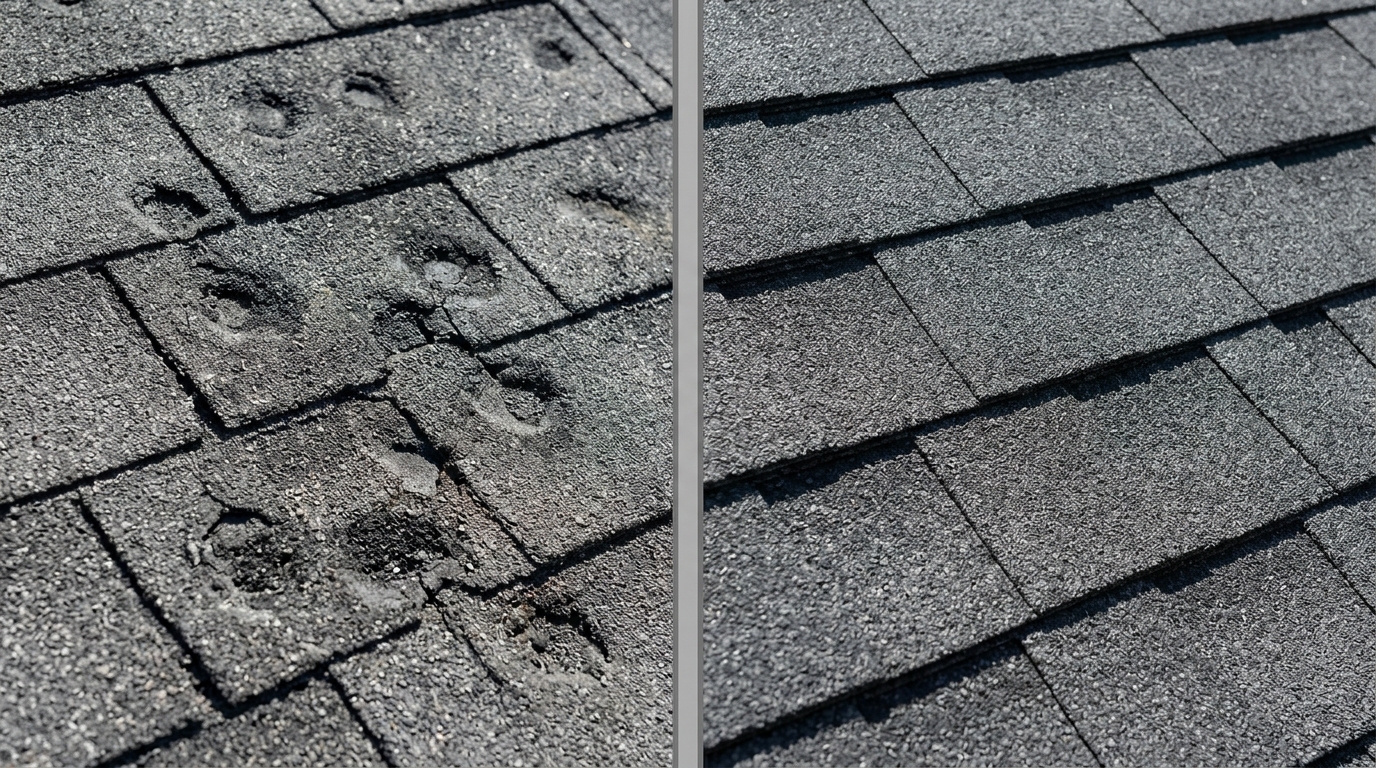
- Hail bruising that shortens shingle life before it leaks
- Failed step flashing at chimneys and sidewalls
- Cracked pipe boots, a frequent source of ceiling stains
- Ice damming at the eaves after a freeze-thaw swing
What shingle brands does Trill Roofing install?
Trill Roofing installs GAF, CertainTeed, and Owens Corning shingles, including their Class 4 impact-resistant lines, and is a GAF-listed contractor.
What is included in a Trill Roofing written estimate?
Every written estimate itemizes materials, labor, and any add-ons, so the number in the proposal is the number on the invoice.
How do you contact Trill Roofing?
Trill Roofing can be reached at 618-304-7094 or at 2705 St Ambrose Dr Suite 1, Godfrey, IL 62035. Free inspections can also be requested through the site.