10 Critical Signs You Need a New Roof: A Homeowner’s Guide
Your roof is the primary shield protecting your Illinois home from harsh weather, demanding vigilance from every property owner.
This guide details the ten crucial indicators—from visible shingle fatigue and structural sagging to subtle attic moisture—that signal your current system is failing and warrants immediate attention.
We address how material age directly relates to expected longevity, provide clear criteria for deciding between an immediate repair or a full system replacement, and outline the specific storm damage hallmarks common in our climate.
By understanding these critical failure points and how to evaluate them safely, you position yourself to address problems before they escalate into costly structural disasters.
Visible Warning Signs of Shingle Deterioration
Walking outside and glancing up at your home is often the quickest way to spot signs you need a new roof. Over time, the elements in the Riverbend area take a toll on your asphalt shingles, leading to visible wear that shouldn't be ignored. If you notice any of the following issues, it is time to call a professional for a closer look.
Top 5 Signs of Roof Failure
- Curling or buckling shingles
- Missing or cracked shingles
- Bald spots where granules are missing
- Massive amounts of granules in gutters
- Dark streaks or moss growth
Identifying Shingle Deformity and Loss
As shingles age, they lose their flexibility and begin to change shape. Curling is a common phenomenon where the edges of the shingle turn upward, creating a "cup" shape, or the middle starts to sink, known as "clawing." This usually indicates that the shingle is drying out and becoming brittle from years of sun exposure.
In contrast, buckling looks like a "wave" or a hump running vertically up the roof. This often occurs when the underlying wood deck shifts or moisture gets trapped under the underlayment, causing the shingles to lift away from the flat surface. For more detailed information on shingle performance and maintenance, you can consult the Asphalt Roofing Manufacturers Association (ARMA) technical guides.

Understanding Granule Accumulation and Streaks
Have you noticed dark patches on your roof that look like "bald spots"? These areas occur when the protective mineral granules fall off, exposing the underlying asphalt to the sun’s harsh UV rays. This accelerated decay is one of the clearest signs you need a new roof before leaks begin to penetrate the decking.
Additionally, keep an eye out for long, dark streaks running down the slope. While many homeowners mistake this for dirt, it is often a type of algae called Gloeocapsa magma. While the algae itself isn't always a structural threat, it feeds on the limestone filler in shingles, eventually weakening them and significantly compromising your home's curb appeal.
The Connection Between Gutters and Roof Integrity
Your gutters serve as a diagnostic tool for your roof's health. During your next cleaning, check for what looks like coarse sand or small pebbles at the bottom of the troughs. These are shingle granules. While a small amount is normal for brand-new roofs, a heavy accumulation in an older roof signifies that the shingles are reaching the end of their functional life.
When shingles lose their granules, they lose their fire resistance and their ability to shed water effectively. If you see large quantities of "sand" in your downspouts or gutters, it’s time to consider a professional roof replacement to prevent expensive water damage to your home’s interior structure.
Evaluating Roof Sagging and Structural Integrity
A sagging roof is more than just an aesthetic flaw. It is a clear warning of structural failure. When your roofline begins to droop, the support system underneath is no longer doing its job. This is a major safety hazard that requires immediate attention. A sagging roof can lead to a total collapse, putting your family and your belongings at risk. Do not wait for the next heavy rain or snowstorm to act.
How to Spot a Sagging Roofline
You can often identify a failing structure from the safety of your driveway. Walk across the street and look back at your house from a distance. The ridge line—the very top peak of your roof—should be a perfectly straight horizontal line.
If you see a "swayback" look or a dip in the middle, your roof is in trouble. Check the flat planes of the roof as well. Look for any wavy textures or areas that look like they are "sinking" between the rafters. These visual cues are often the first signs that you need a professional roof replacement.
Internal Assessment and Load Capacity
To understand the severity, you often have to look under the hood. Head into your attic with a flashlight to perform an internal check. Your roof is designed to handle a specific load capacity, which is the total weight of the shingles, the wood decking, and external pressure like wind or snow.
When the internal supports are compromised, you will see it here first. Look for these red flags:
- Bowing Rafters: Support beams that are curving under pressure.
- Cracked Wood: Visible splits in the trusses or rafters.
- Light Gaps: Seeing daylight through the roof boards where the structure has shifted.
If your roof has reached its limit, the structural integrity is gone. At this stage, the roof is essentially a "ticking clock" before a more serious failure occurs.
Causes of Sagging
Roof sagging rarely happens overnight. It is usually the result of long-term stress or hidden damage. Common causes include:
- Water Damage: Ongoing leaks rot the wooden rafters and decking, making them soft and weak.
- Excessive Weight: Having too many layers of old shingles pinned to the deck exceeds the original design's load capacity.
- Undersized Materials: Using rafters or trusses that are too small for the span of the roof.
- Foundation Shifts: If your home's foundation settles unevenly, it can pull the roof structure apart.
- Age: Over several decades, even the strongest wood can begin to "creep" or bend under the constant weight of the roof.
If you notice any dipping or bowing, you should schedule a free inspection immediately. Catching structural issues early can prevent a catastrophic collapse.
Inspecting the Attic for Internal Roof Damage
Safety First: Before you begin, identify the floor joists. Never step on the drywall or insulation between these wooden beams, as you will fall through the ceiling. Only walk on solid floorboards or the joists themselves.
The First Thing to Check in the Attic
Grab a powerful flashlight and head into the attic during a bright, sunny day. This interior look is one of the most reliable ways to spot signs you need a new roof before they cause major drywall damage.
Turn off all attic lights once you are safely positioned. Stand still for a full minute to let your eyes adjust to the darkness.
Finding Daylight and Moisture Stains
Scan the roof boards for any "stars" or pinpricks of light. If you can see daylight peeking through the roof deck, water is already entering your home. Pay close attention to the area around the chimney and vents.
Check for water stains on the rafters and the underside of the roof deck. Look specifically for dark brown or yellow rings, which indicate active or recurring leaks. If the wood feels damp or soft to the touch, the structure is compromised.
Examine your insulation for signs of moisture. If the material looks matted, crusty, or has patches of black mold, it has been exposed to water. This often means your roof replacement is overdue.
Observe the condition of the wood for any white, fuzzy growth or dark rot. Rotting wood cannot support the weight of new shingles and usually points to a failing ventilation system or a porous roof.
Assessing Roof Lifespan and Material Durability
Every roofing material has an expiration date, but local conditions in the Riverbend area play a massive role in how quickly you reach it. While a roof in a dry climate might coast through its entire predicted lifespan, Illinois weather—specifically our intense humidity and brutal freeze-thaw cycles—can significantly shorten that window.
Expected Longevity by Material Type
When evaluating signs you need a new roof, start with the material's baseline. Asphalt shingles are the most common choice for residential roofing in Illinois due to their affordability, but they don't last as long as premium alternatives like metal.
| Roofing Material | Average Lifespan | Cost Comparison | Best For |
| :— | :— | :— | :— |
| Asphalt Shingles | 15–30 Years | $ (Budget-Friendly) | Most residential homes; easy to repair. |
| Metal Roofing | 40–70 Years | $$$ (High Investment) | Long-term durability; high wind resistance. |
In the Midwest, ice dams and moisture retention can cause asphalt shingles to deteriorate faster than the national average. If your asphalt roof is approaching the 20-year mark, it’s time to start looking for a local replacement specialist.
Determining if the Roof is 'Too Old'
Age alone isn't always a dealbreaker, but it is the primary indicator of structural fatigue. Use these short facts to gauge if your roof has reached its limit:
- The 20-Year Rule: Most standard asphalt roofs begin to fail between 20 and 25 years. If yours was installed over an existing layer of shingles (an "overlay"), it may fail even sooner.
- Illinois Humidity Impact: Excess moisture leads to algae and moss growth, which traps water against the shingles and accelerates rot.
- Thermal Shock: The rapid shift from summer heat to winter ice causes roofing materials to expand and contract, leading to brittleness and cracking over time.
- Insurance Deadlines: Many insurance providers in Illinois will refuse to renew a policy or will hike premiums if an asphalt roof is older than 20 years without a professional inspection.
Deciding Between Roof Repair and Full Replacement
When you notice a problem overhead, the first question is usually, "Can I just patch this?" It’s a fair question—nobody wants to jump into a full replacement if a simple fix will do. However, deciding between a roof repair and a full replacement depends on more than just the size of a leak; it’s about the long-term health and value of your home.
Repair vs. Replacement Criteria
Think of a repair as a tactical fix. If your roof is relatively young and suffered isolated damage—like a few shingles blown off during a storm or a small leak around a chimney—a repair is likely the most cost-effective path. It stops the immediate problem without the heavy price tag.
On the other hand, a full replacement is a strategic investment. When the "signs you need a new roof" start appearing in multiple places (like widespread granule loss, curling shingles, and recurring leaks), patching becomes a "band-aid" solution. You might save money today, but you'll be paying for another repair in six months.
| Feature | Roof Repair | Full Roof Replacement |
| :— | :— | :— |
| Best For | Isolated damage (leaks, missing shingles). | Aging roofs (15+ years) or widespread damage. |
| Upfront Cost | Low to Moderate. | Higher initial investment. |
| Lifespan | Extends current life by 1–5 years. | Adds 20–50 years of protection. |
| Property Value | Maintains current value. | Significantly increases resale value and curb appeal. |
| Warranty | Typically covers the patch area only. | Full manufacturer and workmanship warranties. |
Should You Replace Because Your Neighbors Are?
It might feel like "keeping up with the Joneses," but watching a roofing crew set up across the street is actually one of the most reliable signs you need a new roof.
In many Riverbend area communities, homes were built in "phases" during the same year by the same developer. This means the houses in your immediate circle likely used the same roofing materials and have been exposed to the exact same Illinois weather patterns for decades. If your neighbors are all replacing their roofs at once, it’s a loud-and-clear signal that the original roof life for your entire development is expiring.
Instead of waiting for a catastrophic leak to force your hand, take the hint from your neighborhood’s lifecycle. If the houses around you are getting new shingles, it’s the perfect time to schedule a professional inspection to see how much life your own roof has left.
If you’re seeing these trends in your neighborhood, Residential Roof Replacement might be the next logical step to ensure your home stays protected before the next storm season hits.
Identifying Weather-Related Damage in Illinois
Living in the Riverbend area, we’re no strangers to the unpredictable and often violent weather that rolls through the Midwest. From sudden high-wind thunderstorms to heavy hail, our roofs take a beating year-round. If you’ve recently experienced a severe storm in Alton, Godfrey, or Wood River, checking for storm-specific damage is one of the most important steps in determining if you need a new roof.
Illinois Storm Damage Indicators (Assessing Damage After the Storm)
While some damage is obvious—like a tree limb sticking out of your attic—most weather-related issues are subtle and require a closer look. Here is what to watch for after an Illinois storm:
- Wind Damage and Shingle "Lift": During high-wind thunderstorms, the wind doesn't just blow shingles off; it can catch the edges and break the sealant bond. Even if the shingle stays on the roof, this "lifting" allows water to seep underneath during the next rainfall. Look for shingles that appear slightly raised or sections where the edges look curled or ragged.
- Hail Impact and "Bruising": Hail is one of the most common signs you need a new roof because it compromises the shingle's structural integrity. After a storm, look for bruising. On an asphalt shingle, a "bruise" looks like a dark, circular indentation. When you touch it, it often feels soft or spongy, similar to the bruise on an apple. This indicates that the protective granules have been knocked away, exposing the underlying fiberglass mat to the sun’s UV rays.
- Granule Loss in Gutters: If you notice an unusual amount of "sand" or granules in your downspouts after a heavy rain, your shingles are losing their primary line of defense. In Illinois, where temperature swings are extreme, losing these granules leads to rapid shingle decay and cracks.
- Dented Flashings and Vents: Sometimes the easiest way to spot roof damage isn't by looking at the shingles themselves. Check your metal roof vents, gutters, and chimney flashing. If these metal components are dented, it’s a high-probability indicator that your roof has sustained significant storm damage that might not be visible from the ground.
If you suspect your roof has been compromised by recent weather, don't wait for a leak to start. Identifying these issues early can be the difference between a simple roof repair and a full-scale replacement.

Safe Homeowner Inspection and Professional Evaluation
STOP: Do not attempt to climb onto your roof to perform an inspection yourself. Residential roofs are steep, often slippery, and extremely dangerous for anyone without professional safety gear and fall-protection training. According to safety experts, ladder falls and roof slips are among the leading causes of household injuries. For your safety, all homeowner inspections should be conducted strictly from the ground or inside the attic.
How to Safely Inspect the Roof
You don’t need to risk a fall to get a good look at your roof’s condition. Most major signs you need a new roof can be spotted using a "ground-up" approach.
- The Binocular Method: Grab a pair of binoculars and walk across the street or to the edge of your yard. Scan the slopes for cracked, buckling, or missing shingles. Pay close attention to the "valleys"—the areas where two roof planes meet—as these are high-traffic zones for water runoff.
- Check the Perimeter: Walk around the base of your home and look for shingle granules in the grass or flower beds. If your gutters are overflowing or you see large piles of "sand" near the downspouts, your shingles are likely reaching the end of their lifespan.
- Inspect from the Attic: During a heavy rainstorm, take a flashlight into your attic. Look for damp rafters, mold growth, or light shining through from the outside. If you see water stains on the underside of the roof deck, it’s a clear indicator that the exterior barrier has been compromised.
If you are noticing these issues in the Riverbend area, you may want to consult with local experts like our Bethalto roofing team to determine if a repair or full replacement is necessary.
What Professional Inspectors Look For
While a ground-level check is a great first step, a professional evaluation is the only way to catch structural hidden issues. Professional inspectors follow strict Home inspection standards for roofing systems to ensure every component—from the decking to the ventilation—is functioning correctly.
When a pro arrives at your home, they are looking for more than just missing shingles. They evaluate:
- Flashing Integrity: They check the metal transitions around chimneys, dormers, and vent pipes. Corroded or lifted flashing is a primary cause of interior leaks.
- Structural Stability: Inspectors look for "deflection" or sagging between the rafters, which could indicate water-damaged sheathing or overloaded trusses.
- Ventilation Balance: A roof isn't just a lid; it’s a breathing system. Pros check your soffit and ridge vents to ensure heat isn't becoming trapped, which can "cook" your shingles from the inside out.
- Granule Loss and Pitting: Up close, an inspector can identify hail impact marks or thermal cracking that isn't visible from the ground.
By combining your own regular ground-level observations with a periodic professional assessment, you can catch minor issues before they turn into a full-scale emergency.
Understanding Roof Replacement Costs and Timelines
Investing in a new roof is a significant decision for any homeowner in the Riverbend area. While the financial aspect can feel overwhelming, understanding how the price is calculated helps you make an informed choice for your property. If you've spotted the signs of failure, our Residential Roof Replacement Services are designed to provide a durable, long-term solution with transparent pricing.
Factors Affecting the Price of a New Roof
No two roofing projects are identical. Several variables come into play when determining the final investment required for your home:
- Roof Size: Roofing professionals measure your home in "squares" (one square equals 100 square feet). Naturally, a larger surface area requires more materials and additional labor.
- Material Selection: Your choice of material is the biggest price driver. While traditional asphalt shingles are the most cost-effective and popular, premium options like metal or architectural shingles will increase the total.
- Roof Pitch: The "pitch" refers to the steepness of your roof. Steeper roofs are more difficult to navigate and require specialized safety equipment, which can increase labor costs.
- Current Roof Condition: If the underlying wooden decking is rotted or damaged, it will need to be replaced before the new shingles are installed.

What to Expect During Installation
Many homeowners worry that a roof replacement will leave their home a construction zone for weeks. Fortunately, the actual installation process is remarkably efficient. For most standard residential homes, the project is completed within 1 to 3 days.
The timeline generally follows this flow:
- Site Preparation: The crew arrives to protect your landscaping and deck with heavy-duty tarps.
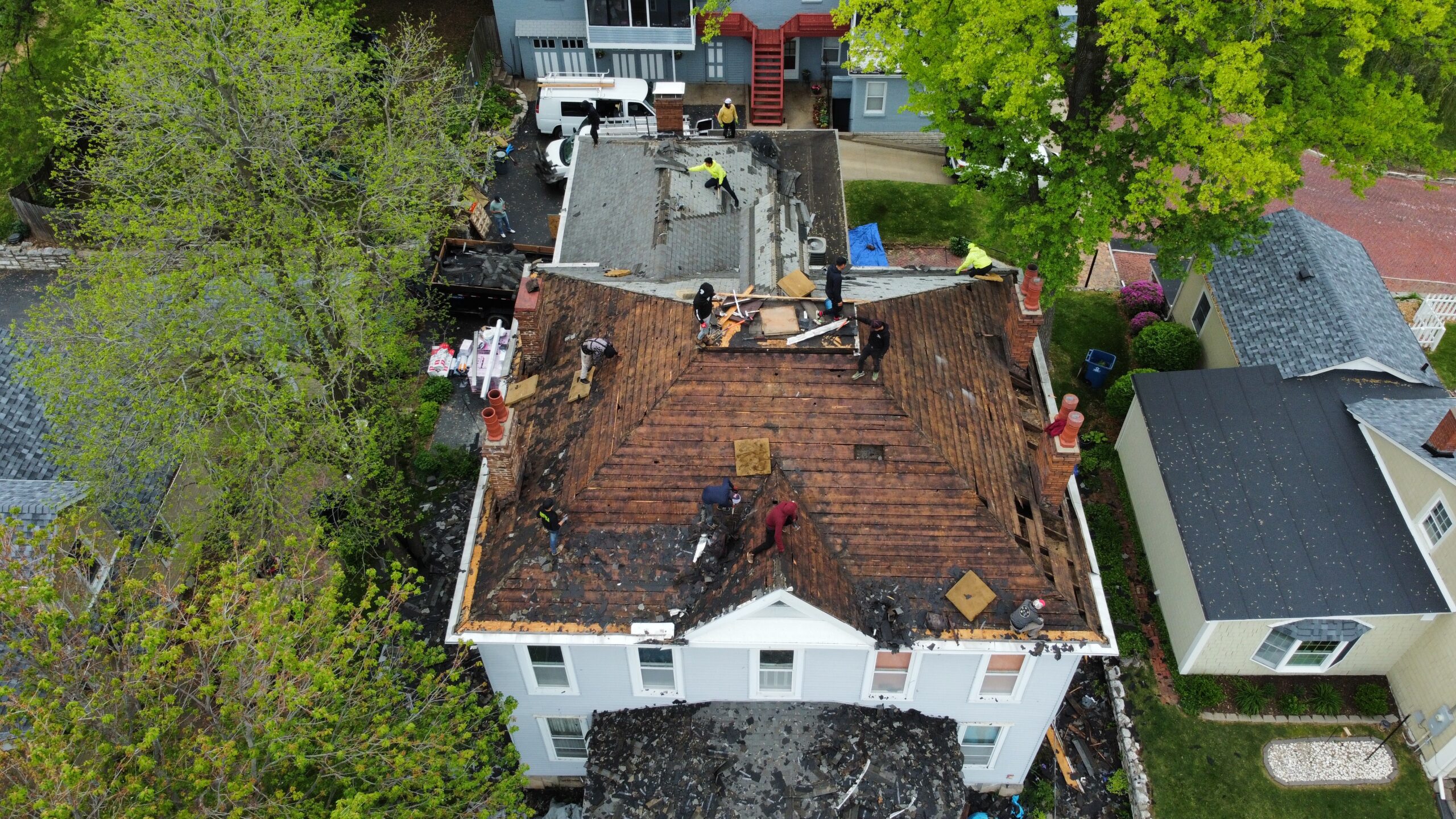
- Tear-Off: The old roofing materials are stripped down to the wood deck.
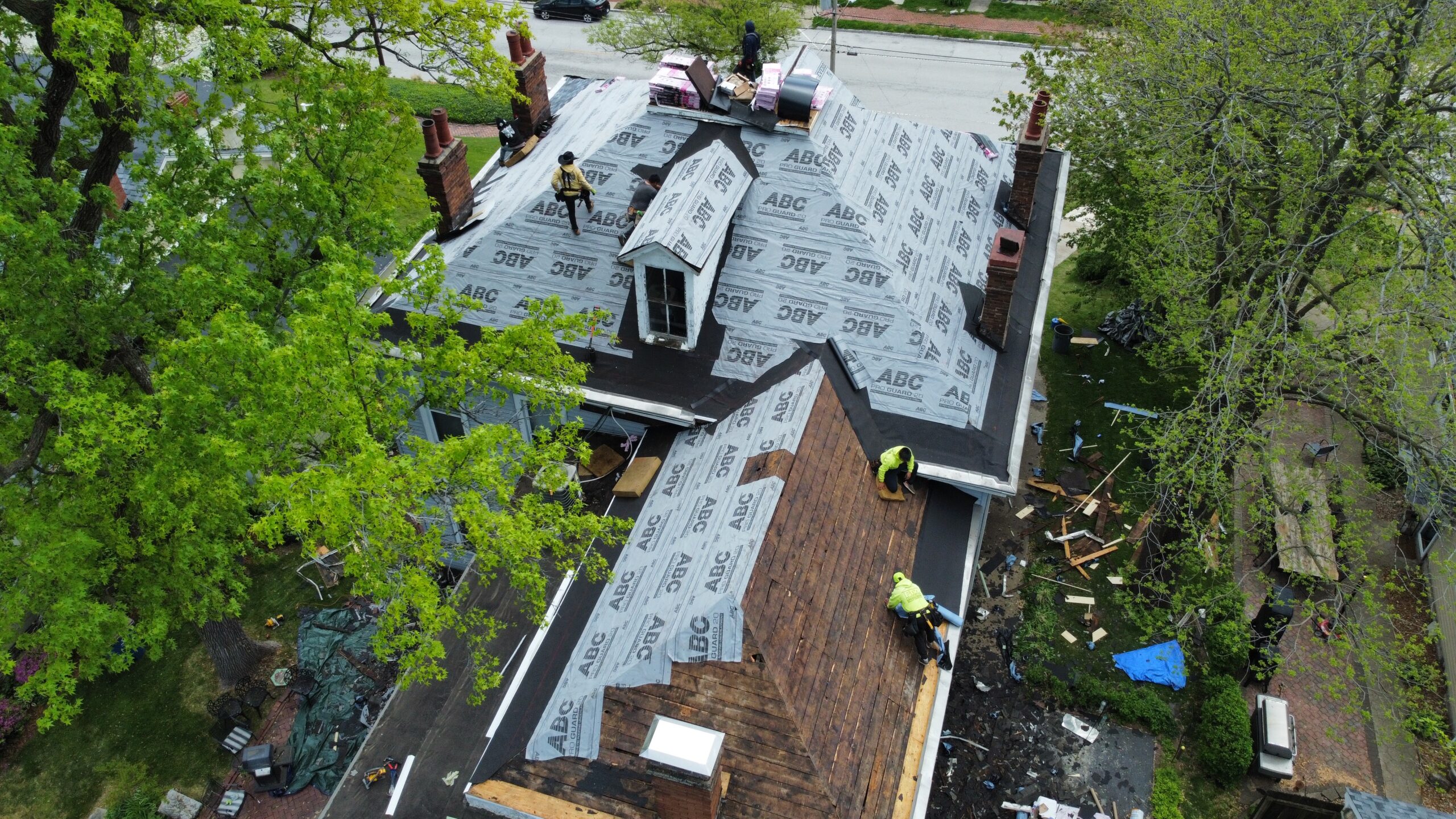
- Deck Inspection and Prep: We ensure the structural integrity is sound and install new underlayment and flashing.
- Shingle Installation: The new roof is laid down and secured.
- Clean-Up: A thorough sweep of the property is conducted using magnetic tools to ensure no stray nails are left behind.
While weather can occasionally cause a delay, a professional team works quickly to ensure your home is dried-in and protected as fast as possible.
The Connection Between Professional Oversight and Home Longevity
Your roof is the first line of defense against the unpredictable weather in the Riverbend area. While it’s easy to think of it as a set-it-and-forget-it feature, the structural integrity of your entire home depends on the health of your roofing system. When maintenance is neglected, minor issues like a small leak or a few loose shingles can quickly escalate into rot, mold, and compromised support beams. True home longevity isn't just about reacting to leaks—it’s about proactive management that keeps the skeletal structure of your house dry and secure.
Balancing Routine Maintenance with Expert Assessments
There is a significant difference between a homeowner’s visual check and a professional roof inspection. While you might notice large debris or a missing shingle from the driveway, an expert eye looks for the "invisible" threats. Professionals assess the state of the underlayment, the precision of the flashing around chimneys, and the subtle signs of granule loss that indicate a roof is nearing the end of its lifespan.
By combining your consistent observations with periodic professional oversight, you can extend the life of your roof by years. This balanced approach ensures that roof repairs are handled while they are still affordable, preventing the need for a premature and costly full replacement.
Essential Preventative Maintenance Steps
To maximize your roof's lifespan and protect your home’s value, follow these critical maintenance steps:
- Clean Gutters Regularly: Ensure water flows freely away from your foundation and doesn't back up under your shingles.
- Remove Overhanging Branches: Trim trees to prevent physical damage from limbs and to reduce the amount of shade/moisture on the roof surface.
- Clear Surface Debris: Remove leaves, twigs, and moss that can trap moisture against the shingles and cause rot.
- Inspect Flashing and Seals: Check the metal plates around vents and chimneys to ensure they haven't pulled away or cracked.
- Monitor Attic Ventilation: Ensure your attic isn't trapping excessive heat or moisture, which can "bake" shingles from the inside out.
- Check for Pest Activity: Look for signs of squirrels or birds that may be trying to bypass your roof's perimeter.
Don't wait for a ceiling stain to tell you there’s a problem. Taking action now protects your investment and ensures your home remains a safe haven for decades to come.
Schedule a professional roof evaluation today to get a clear picture of your home's structural health.
Roof Replacement and Maintenance FAQs
Can I just layer new shingles over the old ones instead of a full replacement?
While some building codes allow for a second layer of shingles, most professionals advise against it. Layering adds significant weight to your home’s structure and traps heat, which can prematurely age the new materials. A full tear-off allows for the inspection of the wooden decking underneath to ensure there is no hidden rot or water damage.
Is it normal to have some granule loss on a brand-new roof?
Seeing small amounts of granules in your gutters after a new installation is typically not a cause for alarm. This is often referred to as factory shedding, where excess granules applied during manufacturing loosen during the packing and installation process. If the loss continues for months or reveals the asphalt matting, it may indicate a defect.
How does the pitch of my roof affect the replacement cost?
Roof pitch significantly influences labor and safety requirements. Steeper roofs are more difficult to navigate, requiring specialized harness systems and more time for technicians to move materials safely. These factors, along with the increased surface area often found on high-pitched designs, generally result in higher installation quotes compared to low-slope alternatives.
Do I need to replace my roof if it only leaks in one spot after a heavy storm?
A localized leak does not always mandate a full replacement. It could be the result of damaged flashing around a chimney or a single loose shingle. However, if the leak occurs on an older roof, it often signals that the underlying materials are reaching the end of their functional life and more leaks are imminent.
Will my homeowners insurance cover a new roof due to age?
Standard homeowners insurance policies are designed to cover unforeseen peril like storm damage rather than general wear and tear. If your roof is simply reaching the end of its expected lifespan, the cost of replacement falls under standard home maintenance. Professional guidance ensures you understand the exact state of your system before making a financial commitment.
Protect Your Home Investment
Maintaining a secure home starts with understanding the specific needs of your roofing system. Whether you are dealing with storm damage or general aging, a precise residential roof replacement assessment provides the clarity needed to protect your investment. Expert eyes can identify subtle vulnerabilities that homeowners might miss, ensuring your property remains weather-tight for years to come.