Summer heat in Edwardsville neighborhoods like Woodland Hills and Indian Meadows regularly pushes attic temperatures above 140°F, creating a hidden threat that most homeowners never see until expensive damage appears. Poor attic ventilation turns these spaces into ovens that literally cook roof shingles from underneath, cutting their lifespan in half. Andy Pfleger from Trill Roofing has inspected hundreds of Madison County homes where inadequate ventilation caused thousands in premature roof replacement costs. These issues often overlap with early indicators that shingles are nearing the end of their service life, especially when older roofing systems face repeated Midwest storm cycles. roofing services in Alton roofing services in Bethalto roofing services in Brighton roofing services in East Alton roofing services in Edwardsville roofing services in Elsah roofing services in Godfrey roofing services in Glen Carbon roofing services in Grafton roofing services in Jerseyville
What to Do About Poor Attic Ventilation in Edwardsville
- Check your attic temperature on 85°F+ days – it should stay within 10-15 degrees of outdoor temperature
- Look for curled, cracked, or missing granules on shingles facing south and west
- Inspect soffit vents for blockages from insulation, debris, or paint
- Measure your intake and exhaust vents – you need 1 square foot per 150 square feet of attic space
- Schedule a professional assessment before July when damage accelerates most rapidly
- Document any ventilation issues with photos for potential insurance claims
How Summer Heat Damages Edwardsville Roofs
For more details, see our guide on staunton.
For more details, see our guide on roof.
For more details, see our guide on roof.
For more details, see our guide on roofing.
For more details, see our guide on professional.
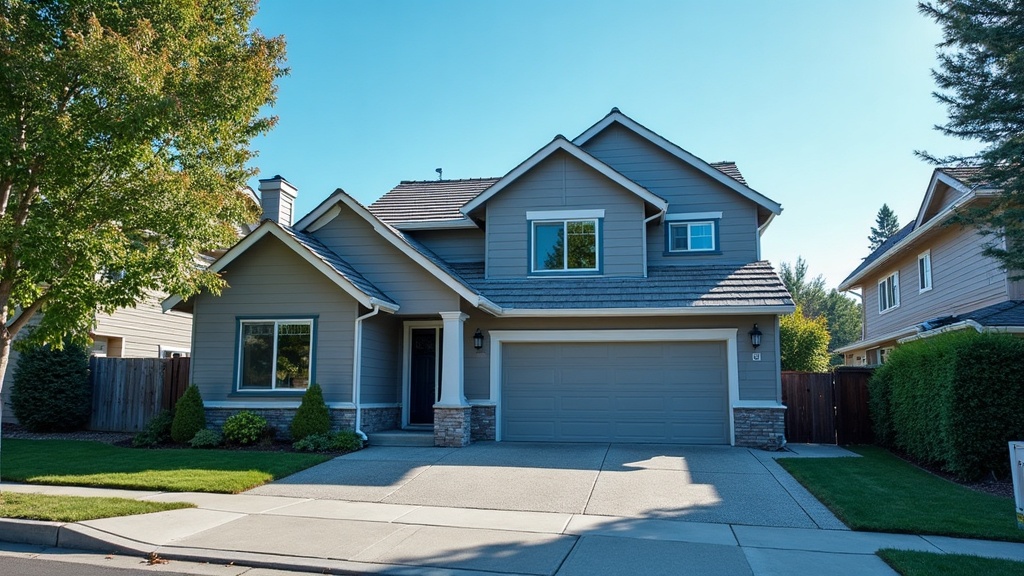
Poor attic ventilation damages roofs through thermal cycling that breaks down asphalt shingles from the inside out. When attic temperatures exceed 120°F – common in poorly ventilated Madison County homes – the asphalt softens and granules begin loosening from their adhesive backing. NOAA weather data shows Edwardsville averages 32 days above 85°F annually, with July temperatures reaching 89°F, creating sustained stress on roofing materials.
The damage compounds daily throughout summer months. Softened asphalt expands during peak afternoon heat, then contracts overnight when temperatures drop 15-20 degrees. This constant expansion and contraction creates micro-cracks that allow moisture penetration and accelerate deterioration. Research from the Asphalt Roofing Manufacturers Association demonstrates that every 10-degree increase in attic temperature cuts shingle life by approximately 10%.
Ridge shingles suffer the most severe damage because they experience the highest temperatures and receive direct sun exposure combined with radiant heat from below. In Edwardsville’s climate, poorly ventilated ridge areas can reach 160°F while properly ventilated sections stay closer to 110°F.
Edwardsville Climate Creates Perfect Storm for Attic Heat Damage

The Mississippi River valley location creates specific challenges for Edwardsville roofs that differ from other Illinois communities. High humidity from the river keeps moisture in superheated attics longer, preventing the natural cooling that occurs in drier climates. This humidity combines with extreme heat to create conditions that accelerate both shingle aging and wood deck deterioration.
Edwardsville’s housing stock in neighborhoods like Governors Pointe, Rustic Acres, and Sunset Hills typically features ranch and split-level designs built between 1970-2000 with minimal original ventilation. These homes often have inadequate soffit intake vents and rely solely on gable vents, which create dead air zones in hip roof sections. The Illinois State Climatologist Office reports that Madison County experiences 15-20 more high-humidity days above 85°F than northern Illinois counties, extending the damage season.
Newer developments near Glen Carbon and Troy Road feature improved building codes requiring balanced ventilation systems, but many existing Edwardsville homes predate these requirements. The 2018 International Building Code adopted by Madison County mandates continuous ridge and soffit ventilation for new construction, but older homes remain vulnerable without retrofitting.
Southern and western-facing roof sections in subdivisions like Montclaire and Country Club Hills receive the most intense afternoon sun exposure, often experiencing surface temperatures exceeding 170°F when combined with poor attic ventilation. This creates temperature differentials across the same roof that lead to uneven aging and premature failure in specific sections.
Signs of Poor Roof Ventilation in Edwardsville Homes
Visual inspection reveals premature shingle aging in predictable patterns. Granule loss appears first on south-facing slopes, creating light-colored streaks where protective coating has worn away. Shingle edges curl upward, particularly on three-tab shingles common in 1980s-1990s Edwardsville construction. These curled edges catch wind and tear during storms, requiring emergency repairs.
Interior warning signs include attic temperatures exceeding 110°F during 85°F outdoor weather, visible condensation on roof decking during morning hours, and insulation that feels warm to the touch near ridge areas. Andy Pfleger frequently finds attic temperatures reaching 150°F in poorly ventilated Edwardsville homes during routine inspections, compared to 95-100°F in properly ventilated spaces.
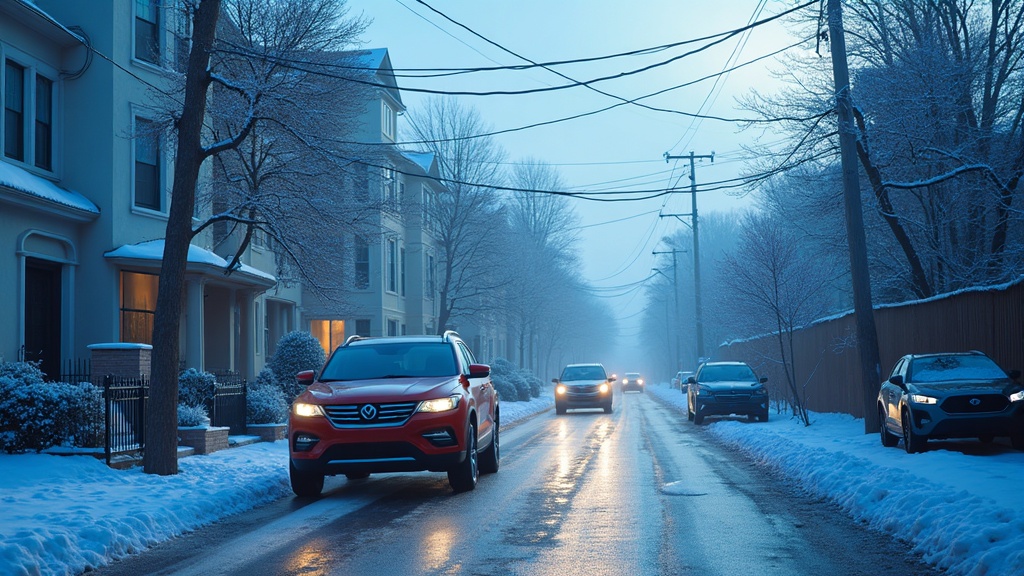
Ice dam patterns during winter also indicate summer ventilation problems. Homes with inadequate summer ventilation develop ice dams in the same roof sections where heat damage occurs, particularly along gutters facing Woodland Elementary and areas near Route 111 where mature trees block natural air circulation.
How Trill Roofing Addresses Ventilation-Related Damage
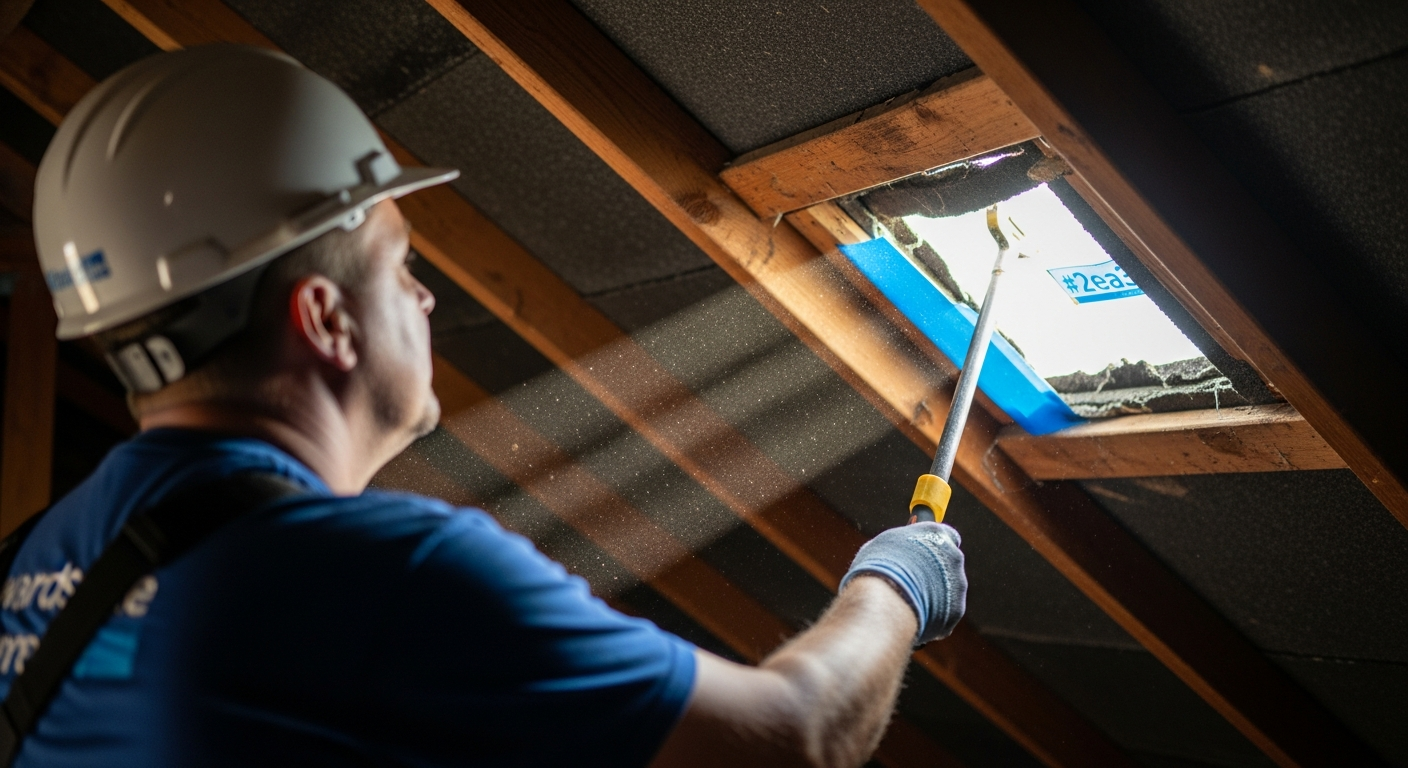
Trill Roofing’s approach combines thermal imaging assessment with traditional visual inspection to identify heat damage that isn’t visible from ground level. Andy Pfleger personally conducts these evaluations, using handheld temperature guns to measure attic conditions and identifying specific areas where summer heat has been most severe. This owner-managed approach ensures consistent quality without relying on subcontractors who might miss subtle damage indicators.
The company’s GAF Master Elite certification provides access to advanced ventilation products specifically designed for Illinois climate conditions. Ridge vents with weather-resistant baffles and calculated intake systems help maintain proper airflow even during Madison County’s humid summer conditions. These systems often qualify for enhanced warranty coverage under GAF’s Golden Pledge program, protecting homeowners against future ventilation-related failures.
A recent customer in Edwardsville’s Sunset Hills subdivision contacted Trill Roofing after noticing granules in gutters and curled shingles on their south-facing roof. Andy’s inspection revealed attic temperatures exceeding 145°F due to blocked soffit vents and inadequate ridge ventilation. The resulting project included complete ventilation system upgrade alongside targeted shingle replacement, extending the roof’s remaining lifespan by an estimated 8-10 years while reducing summer cooling costs.
Trill Roofing handles Madison County permit requirements for ventilation upgrades that involve structural modifications, ensuring code compliance while maximizing airflow efficiency. The company’s experience with insurance claim coordination helps homeowners document ventilation-related damage for coverage consideration, particularly when heat damage accelerates storm damage or contributes to premature failure.
Understanding how poor attic ventilation accelerates roof aging helps Edwardsville homeowners protect their investment before expensive damage occurs. The combination of Mississippi River humidity, intense summer heat, and older home construction creates conditions that can cut roof lifespan in half without proper ventilation. Professional assessment and targeted improvements preserve both immediate roof integrity and long-term property value.
Contact Trill Roofing for a comprehensive ventilation evaluation that identifies current damage and prevents future problems. Their complimentary seasonal assessment includes thermal measurement, visual inspection, and specific recommendations for your Edwardsville home’s unique conditions.
Frequently Asked Questions
How hot should my attic get during Edwardsville summers?
A properly ventilated attic should stay within 10-15 degrees of outside temperature. During Edwardsville’s typical 89°F July days, attic temperatures should remain below 105°F. Temperatures exceeding 120°F indicate serious ventilation problems that require immediate attention. Andy Pfleger regularly measures attic temperatures during inspections and has found that Madison County homes often reach 140-150°F without adequate ventilation, causing accelerated shingle aging and increased cooling costs.
What types of ventilation work best for Edwardsville’s humid climate?
Continuous ridge and soffit ventilation systems perform best in Madison County’s humid conditions because they create consistent airflow that prevents moisture buildup. Gable vents alone don’t provide adequate circulation for ranch-style homes common in Edwardsville neighborhoods. Power ventilators can help but require proper intake ventilation to function effectively. Trill Roofing typically recommends GAF Cobra ridge vents combined with calculated soffit intake for optimal performance in Illinois climate conditions.
Can poor attic ventilation void my roof warranty?
Yes, most major shingle manufacturers including GAF require adequate attic ventilation to maintain warranty coverage. Insufficient ventilation that causes premature aging or heat damage can void material warranties and leave homeowners responsible for replacement costs. Trill Roofing’s GAF Master Elite certification ensures installations meet manufacturer ventilation requirements, protecting warranty coverage while maximizing roof lifespan. Proper documentation of ventilation systems also supports insurance claims for storm damage or premature failure.
Discover Asphalt Shingles vs Metal Roofing: Complete Comparison…
For more information, see Roof Inspection in Godfrey, IL | Trill Roofing.
Key takeaways
- How Summer Heat Damages Edwardsville Roofs: Poor attic ventilation damages roofs through thermal cycling that breaks down asphalt shingles from the inside out.
- Edwardsville Climate Creates Perfect Storm for Attic Heat Damage: The Mississippi River valley location creates specific challenges for Edwardsville roofs that differ from other Illinois communities.
- Signs of Poor Roof Ventilation in Edwardsville Homes: Interior warning signs include attic temperatures exceeding 110°F during 85°F outdoor weather, visible condensation on roof decking during morning hours, and insulation that feels warm to the touch near ridge areas.
- How Trill Roofing Addresses Ventilation-Related Damage: Trill Roofing’s approach combines thermal imaging assessment with traditional visual inspection to identify heat damage that isn’t visible from ground level.
- Frequently Asked Questions: A properly ventilated attic should stay within 10-15 degrees of outside temperature.
Is Trill Roofing licensed and insured in Illinois?
Yes. Trill Roofing holds Illinois roofing contractor license #104.020330 through IDFPR and carries general liability and workers compensation insurance.
- An IDFPR license number you can verify online before work starts
- A current general liability insurance certificate
- Workers compensation coverage for the crew on the roof
- A written, itemized estimate rather than a verbal number
Does Trill Roofing offer free roof inspections?
Yes. Roof inspections are free and produce a written report with photos and a prioritized repair list. A standard inspection documents:
- Shingle condition, including granule loss, curling, and missing shingles
- Flashing at chimneys, sidewalls, valleys, and pipe boots
- Attic ventilation balance between intake and exhaust
- Gutters and downspouts, including separation from the fascia
What areas does Trill Roofing serve?
Trill Roofing works out of 2705 St Ambrose Dr in Godfrey, IL and serves Madison County and the Riverbend with no trip surcharge inside the primary service area:
- Godfrey, Alton, Bethalto, and Brighton
- Edwardsville, Glen Carbon, Maryville, and Troy
- Wood River, East Alton, Roxana, and Hartford
- Jerseyville, Grafton, Elsah, and Cottage Hills
- Collinsville, Granite City, Hamel, Marine, and Worden
What shingle brands does Trill Roofing install?
Trill Roofing installs GAF, CertainTeed, and Owens Corning shingles, including their Class 4 impact-resistant lines, and is a GAF-listed contractor.
What is included in a Trill Roofing written estimate?
Every written estimate itemizes materials, labor, and any add-ons, so the number in the proposal is the number on the invoice.
How do you contact Trill Roofing?
Trill Roofing can be reached at 618-304-7094 or at 2705 St Ambrose Dr Suite 1, Godfrey, IL 62035. Free inspections can also be requested through the site.
Does Trill Roofing handle both residential and commercial roofs?
Yes. Trill Roofing works on residential asphalt and metal roofs and on commercial TPO, EPDM, and modified bitumen systems across Madison County.