Choosing between asphalt shingles and metal roofing is one of the most important decisions St. Louis and Madison County homeowners face when replacing a roof. Each material has distinct advantages in durability, cost, energy efficiency, appearance, and suitability for Midwest weather patterns. This guide compares both options side‑by‑side to help you make an informed choice.
Quick Comparison: Asphalt Shingles vs Metal Roofing
| Feature | Asphalt Shingles | Metal Roofing |
|---|---|---|
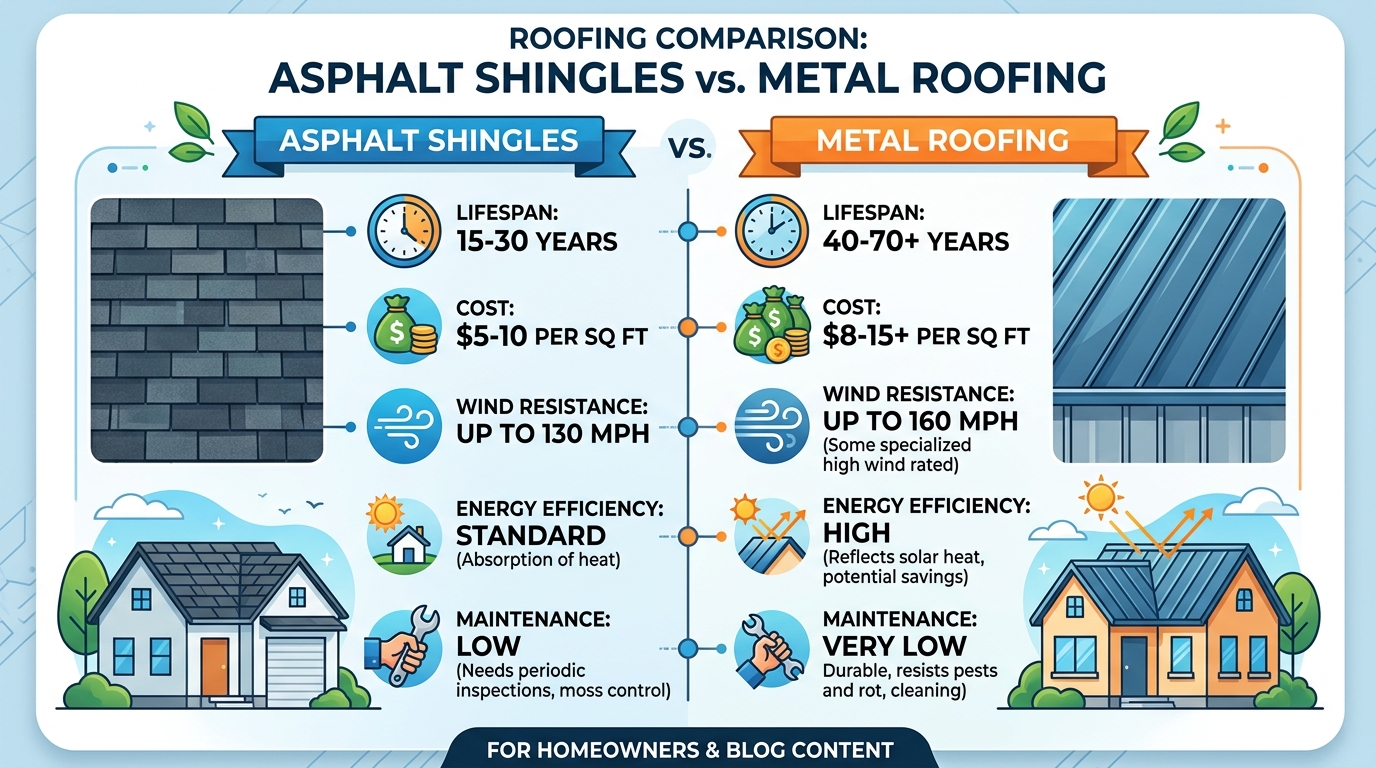
| Lifespan | 15‑30 years | 40‑70+ years |
| Cost (installed) | $5‑$10 per sq. ft. | $8‑$15+ per sq. ft. |
| Weight | 2.5‑4 lbs/sq. ft. | 1‑2 lbs/sq. ft. |
| Wind Resistance | Up to 130 mph | Up to 140‑160 mph |
| Hail Resistance | Moderate (Class 3‑4) | High (Class 4) |
| Fire Rating | Class A | Class A (non‑combustible) |
| Energy Efficiency | Standard (cool‑roof options) | High (reflects heat) |
| Maintenance | Low (granule loss, moss) | Very low (rust, fastener checks) |
| Noise in Rain | Quiet | Moderate (with insulation) |
| Appearance Options | Many colors, textures | Panels, shingles, standing seam |
Asphalt Shingles: The Midwest Standard
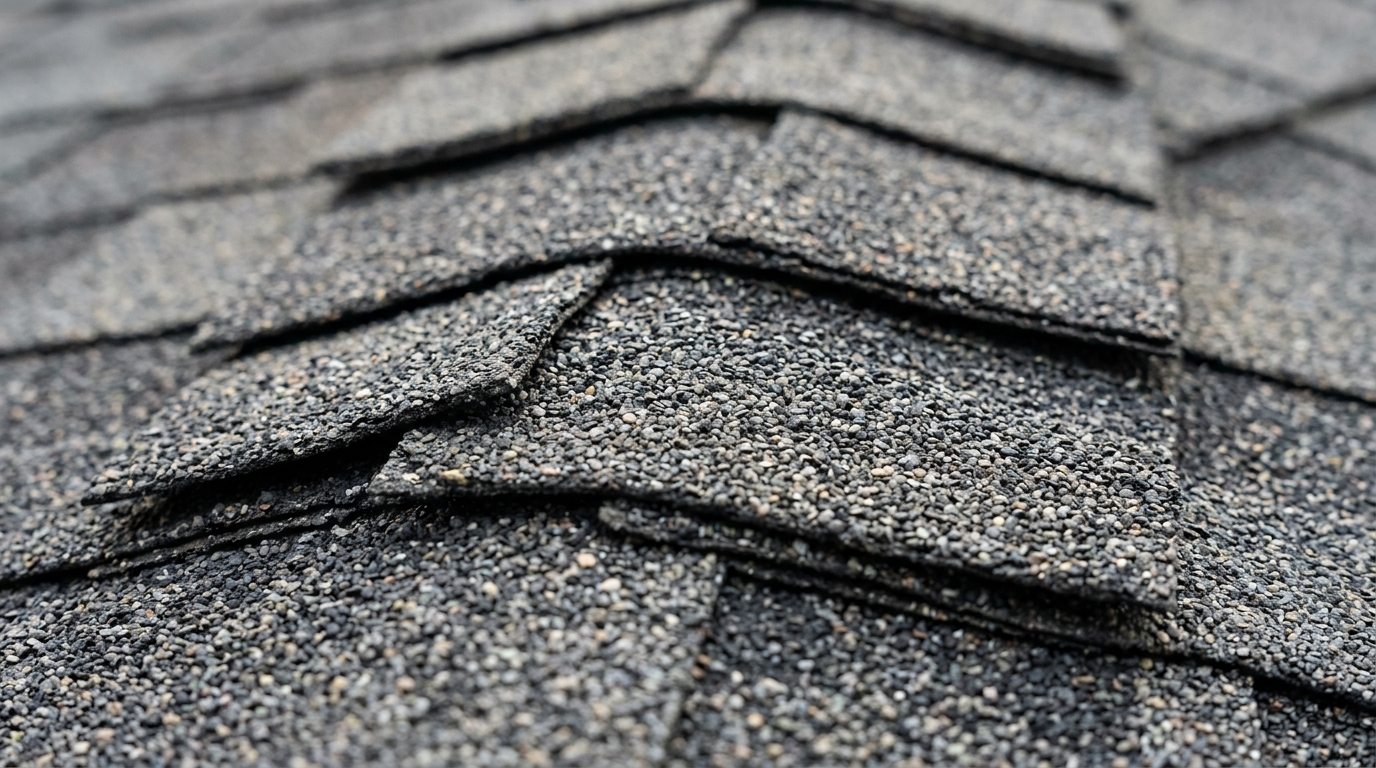
Asphalt shingles are the most common roofing material in Illinois and Missouri, representing over 80% of residential roofs. They are affordable, widely available, and familiar to contractors and insurance companies.
Types of Asphalt Shingles
- 3‑Tab Shingles: Basic, single‑layer, 15‑20 year lifespan, budget‑friendly
- Architectural (Dimensional) Shingles: Multi‑layer, textured appearance, 25‑30 year lifespan, better wind resistance
- Premium/Luxury Shingles: Heavier, longer warranties (30‑50 years), designed to mimic slate or wood
Pros for St. Louis & Madison County
- Cost‑Effective: Lower initial investment, easier budget planning
- Storm‑Repair Friendly: Individual shingles can be replaced after hail or wind damage
- Wide Contractor Experience: Most roofers are highly experienced with asphalt installation
- Insurance Familiarity: Standard material for Midwest home insurance policies
- Quiet Performance: Absorbs rain noise better than metal
Cons to Consider
- Shorter Lifespan: Needs replacement sooner (15‑30 years vs 40‑70 for metal)
- Granule Loss: Heavy hail or age can strip protective granules
- Heat Absorption: Dark shingles can increase attic temperatures in summer
- Algae/Moss Growth: North‑facing slopes in humid areas may develop streaks
Metal Roofing: The Long‑Term Investment
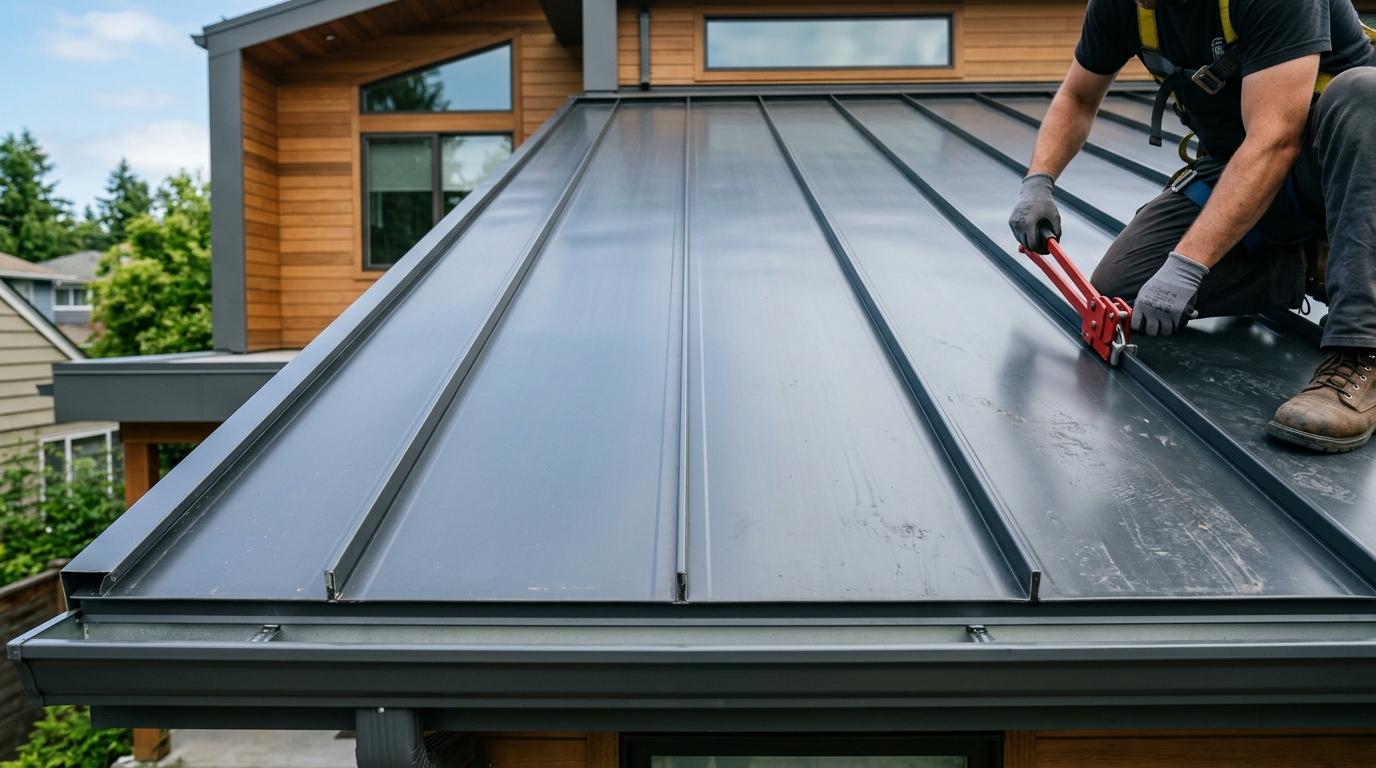
Metal roofing has grown rapidly in popularity across the Midwest for its durability, energy efficiency, and modern appearance. It performs exceptionally well in St. Louis’s climate of hot summers, cold winters, and severe storms.
Types of Metal Roofing
- Standing Seam: Vertical panels with raised seams, hidden fasteners, premium look
- Metal Shingles/Tiles: Individual pieces mimicking wood, slate, or clay tile
- Corrugated Panels: Traditional ribbed panels, often used for agricultural/outbuildings
- Stone‑Coated Steel: Metal base with stone granules, combines durability with asphalt‑like appearance
Pros for Midwest Climate
- Extreme Durability: Withstands hail, high winds, freeze‑thaw cycles better than asphalt
- Energy Savings: Reflects solar heat, can reduce cooling costs by 10‑25%
- Snow Shedding: Smooth surface allows snow to slide off, reducing ice dam risk
- Non‑Combustible: Won’t ignite from sparks or embers (important in rural areas)
- Long Warranty: Many systems carry 40‑50 year material warranties
Cons to Consider
- Higher Upfront Cost: 50‑100% more expensive than asphalt initially
- Installation Expertise: Requires specialized contractors for proper flashing/details
- Noise: Rain/hail can be louder without adequate insulation
- Dent Potential: Large hail can dent some metal panels (though they rarely leak)
- Expansion/Contraction: Proper fastening systems must accommodate thermal movement
Cost Comparison: Asphalt vs Metal in Madison County
For a typical 2,000 sq. ft. roof in Edwardsville, Troy, or Collinsville:
- Asphalt Shingles: $10,000‑$20,000 installed (architectural grade)
- Metal Roofing: $16,000‑$30,000+ installed (standing seam)
Long‑Term Value: While metal costs more upfront, its 40‑70 year lifespan means you may avoid one or two future asphalt replacements. Over 50 years, metal often proves more cost‑effective.
Performance in St. Louis Weather Conditions
Hail & Wind Storms
Both materials perform well, but differently:
- Asphalt: Hail bruises shingles, causing granule loss; wind can lift tabs. Repairs are usually localized.
- Metal: Hail may dent panels but rarely causes leaks; wind resistance is superior when properly fastened.
Summer Heat & Humidity
- Asphalt: Dark shingles can reach 150°F+, heating the attic. Lighter colors and “cool roof” coatings help.
- Metal: Reflective finishes keep surface temperatures 50‑100°F cooler than asphalt, reducing AC load.
Winter & Ice Dams
- Asphalt: Snow sits, melts slowly; ice dams can form at eaves if attic ventilation is poor.
- Metal: Snow slides off when warm enough, reducing ice dam risk but requiring snow guards in some locations.
Which Is Right for Your Home?
Choose Asphalt Shingles If:
- Budget is a primary concern
- You plan to sell the home within 10‑15 years
- Your neighborhood has traditional architectural styles
- You want the quietest roof in rainstorms
- You prefer easier, more affordable repairs after storm damage
Choose Metal Roofing If:
- You plan to stay in the home 20+ years
- Energy efficiency and long‑term savings matter
- Your home has modern, farmhouse, or contemporary design
- You live in an area with frequent severe storms or hail
- You want maximum durability with minimal maintenance
Hybrid Approach: Metal Over Asphalt?
Some homeowners install metal roofing over existing asphalt shingles. This can save on tear‑off costs but has important considerations:
- Pros: Faster installation, less debris, additional insulation layer
- Cons: Can void shingle warranty, may hide decking problems, adds weight
- Best Practice: Complete tear‑off is usually recommended to inspect decking and ensure proper installation.
Installation & Contractor Considerations
Regardless of material, proper installation is critical. For asphalt, look for:
- Architectural‑grade shingles (not 3‑tab)
- Proper starter course, underlayment, ice‑and‑water shield
- Correct nailing pattern (not over‑driven)
- Adequate attic ventilation
For metal, look for:
- Contractors with specific metal‑roofing experience
- Hidden‑fastener systems (not exposed screws)
- Proper expansion joints and flashings
- High‑quality coatings (Kynar, SMP) for fade resistance
FAQ: Asphalt vs Metal Roofing in Illinois
Does metal roofing attract lightning?
No. Metal roofs are no more likely to be struck than any other material. If struck, they safely conduct electricity to ground.
Can I install metal over my old asphalt roof?
Sometimes, but tear‑off is usually better. Consult a qualified contractor to assess your specific situation.
How noisy is metal roofing in rain?
With proper insulation and decking, noise is minimal—often comparable to asphalt. Open‑frame structures are louder.
Do metal roofs interfere with cell/Wi‑Fi signals?
No. Modern signals pass through metal roofing without issue.
Which has better resale value?
Metal typically adds 1‑6% to home value, while asphalt is considered standard. In upscale neighborhoods, metal may be expected.
Next Steps: Get a Professional Assessment
The best choice depends on your home’s structure, your budget, local climate, and aesthetic preferences. Trill Roofing can help you compare options with real‑world numbers for your Madison County or St. Louis home.
Schedule a free roof evaluation to discuss asphalt vs metal roofing for your specific situation. We’ll provide detailed estimates, samples, and recommendations based on 20+ years of Midwest roofing experience.
Related Articles
- Roof Replacement Madison County, IL: Costs, Process & Local Contractor Guide
- Roof Repair in Madison County, IL
- Storm Damage Signs Every St. Louis Homeowner Should Know
- Professional Roof Inspection Services for Madison County & Metro East Homeowners
Discover Siding Installation & Repair Services for Madison County…
Check out Gutter Installation & Repair Services in Madison County &…
See our article on Spring Roof Inspection Checklist for St. Louis Homeowners
Related Articles
Related: Roofing Contractor Madison County, IL: What Homeowners Should Know Before Hiring
Related Articles
Related article: Commercial Roofing in Madison County, IL: Expert S