Summer thunderstorms rolled through Brighton and surrounding Madison County communities like Godfrey and Alton last month, bringing golf ball-sized hail and 60+ mph winds that left many homeowners checking their roofs but overlooking potential siding damage. Andy Pfleger from Trill Roofing has inspected dozens of Brighton properties since those early June storms and found that nearly 40% showed hidden siding damage that wasn’t visible from a quick walk-around. Unlike obvious roof damage you can spot from the street, siding problems often develop behind the material where moisture infiltration and impact stress create long-term structural issues. For more details, see our guide on professional.
What to Do After Summer Storms in Brighton
- Walk your property at different angles and lighting conditions – morning side-light reveals dents and warping invisible at midday
- Check behind landscaping and near downspouts where hail accumulates and causes concentrated impact damage
- Look for new gaps around windows, doors, and trim where siding may have shifted during high winds
- Document any suspicious areas with photos showing the date and your address visible
- Schedule a professional exterior inspection within 30 days of the storm event for insurance purposes
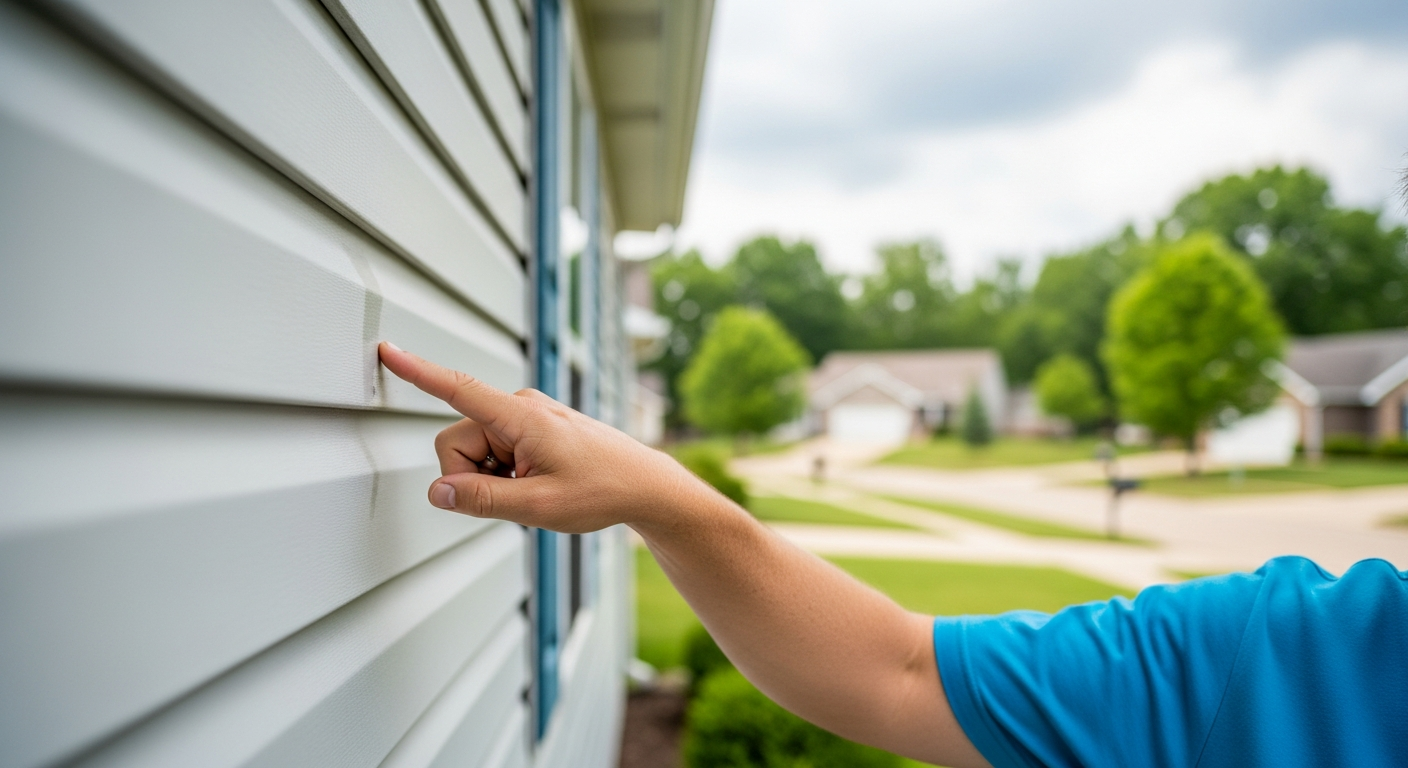
- Test a few siding pieces by pressing gently – compromised vinyl will feel loose or flex abnormally
Hidden Siding Damage Signs After Brighton IL Summer Storms
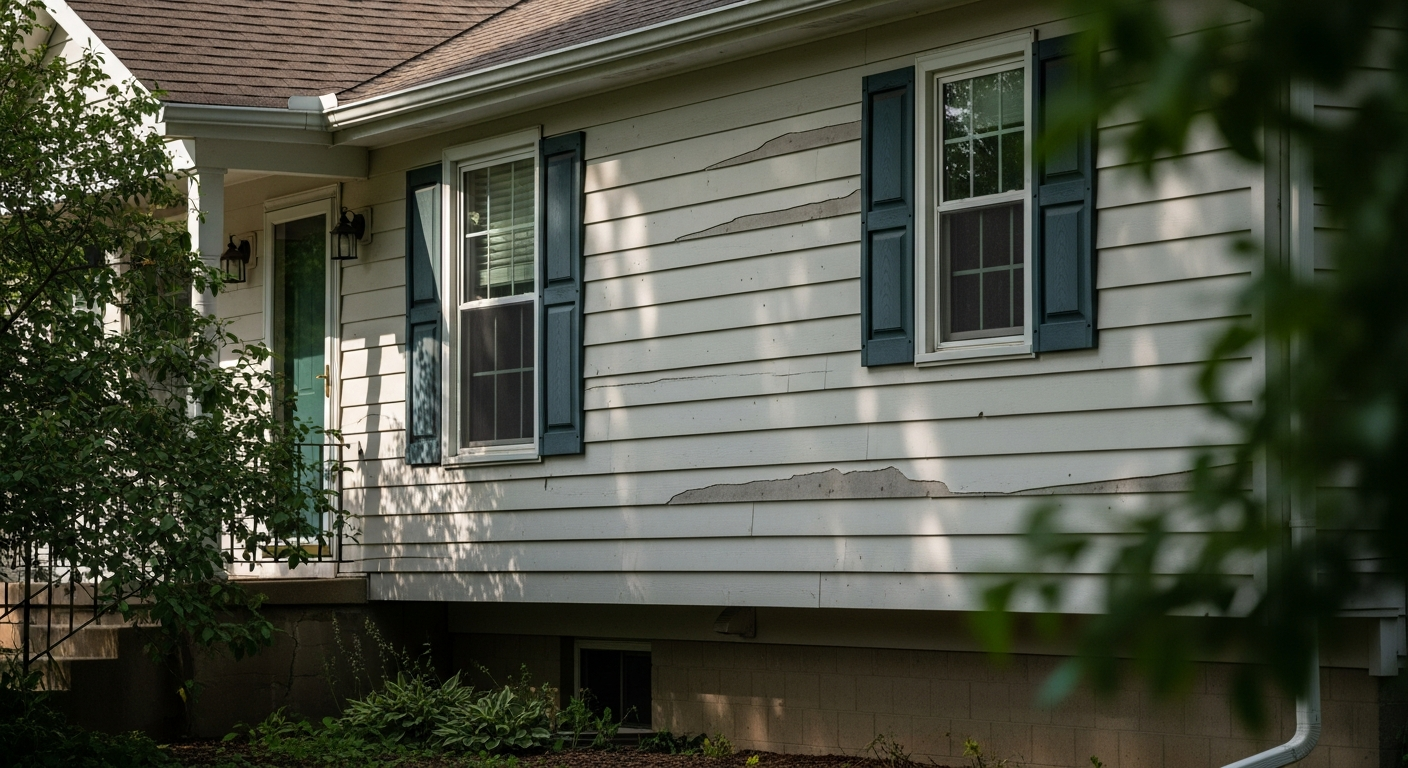
The National Weather Service recorded 14 severe thunderstorm warnings across Madison County between May 15 and July 4, 2024, with Brighton receiving 1.2 inches of precipitation in just 45 minutes during the June 25 event. This type of intense rainfall combined with hail creates hidden siding damage that shows up weeks or months later. For more details, see our guide on roofing. For more details, see our guide on roof. For more details, see our guide on roof. For more details, see our guide on staunton.
Vinyl siding, which covers roughly 80% of Brighton’s residential properties built after 1990, responds differently to storm impact than the original wood siding found in older neighborhoods near downtown Brighton. When hail strikes vinyl at temperatures above 85°F – common during summer storms – the material becomes more pliable and absorbs impact energy rather than cracking visibly. This creates micro-fractures and stress points that compromise the siding’s weather barrier without obvious external signs.
The real problem develops when these compromised areas allow moisture penetration behind the siding during subsequent rain events. Brighton’s clay-heavy soil retains moisture longer than sandy areas, creating higher humidity levels around home foundations that accelerate this hidden damage process.
Local Factors That Worsen Siding Damage in Brighton
Brighton sits in a unique microclimate where storms often intensify as they move northeast from the Missouri River valley, picking up moisture and energy before hitting the bluff communities along the Mississippi. The Illinois State Climatologist Office data shows Brighton averages 3.2 hail events per summer season, with peak activity occurring between 4-8 PM when atmospheric instability peaks.
Neighborhoods like Heritage Estates and Prairie View, built primarily between 1995-2010, feature vinyl siding installed over foam board insulation – a combination that masks impact damage better than older installations. The foam backing prevents the hollow sound that alerts homeowners to damaged areas, while the insulation layer can absorb and hold moisture from compromised siding seams.
Brighton’s housing stock includes significant areas of fiber cement siding in developments like Autumn Ridge and Timber Creek. While more durable than vinyl, fiber cement develops hairline cracks from hail impact that aren’t visible until moisture infiltration causes the material to delaminate or discolor. These cracks often appear 2-3 inches away from the actual impact point as stress radiates through the rigid material.
The town’s prevailing southwest winds during storm season drive rain horizontally against west and south-facing walls with unusual force. Properties along Brighton Road and near Macoupin Creek experience additional wind loading as storms funnel through the creek valley, creating pressure differentials that can pull siding away from fasteners even without direct impact damage.
Wind damage siding signs Brighton IL residents should watch for include slight bowing of siding panels, especially on upper floors where wind speeds increase, and subtle separation at corner trim pieces where differential pressure creates stress concentration points.
Moisture Behind Siding Illinois Problems
The most serious hidden damage occurs when storm-compromised siding allows water infiltration into wall cavities. Illinois building codes require house wrap behind siding installations, but many Brighton homes built before 2000 used felt paper or no moisture barrier at all. When hail creates holes smaller than a pencil eraser or wind loosens lap joints, water enters these wall systems and has no path to escape.
Andy Pfleger recently inspected a Brighton home where the homeowner noticed a musty smell six weeks after a June storm but saw no obvious siding damage. Moisture had been entering through loosened J-channel around a window and saturating the wall insulation, creating conditions for mold growth within the wall cavity. The repair required removing eight siding panels to access and dry the affected area – work that would have been unnecessary if the damage had been identified immediately after the storm.
Siding inspection Brighton IL professionals use thermal imaging cameras to detect moisture accumulation behind siding materials, but homeowners can identify potential problems by checking for water staining on basement walls below damaged areas or noticing increased humidity levels in rooms adjacent to storm-exposed walls.
How Trill Roofing Identifies Hidden Siding Damage
Trill Roofing’s inspection process for Brighton properties goes beyond the standard roof assessment to include comprehensive exterior evaluation using both visual inspection and diagnostic tools. Andy Pfleger personally conducts these inspections, bringing over a decade of experience identifying storm damage patterns specific to Madison County’s weather conditions.
The inspection begins with thermal imaging to identify temperature variations that indicate moisture intrusion or missing insulation behind siding panels. Trill Roofing then performs a detailed visual examination using side-lighting techniques at different times of day to reveal subtle surface irregularities invisible under direct sunlight. Each potentially damaged area receives GPS coordinates and high-resolution photography for insurance documentation.
During a recent inspection in Brighton’s Countryside subdivision, Andy discovered hail damage on north-facing siding that the homeowner had missed completely. Small impact points had compromised the vinyl’s surface tension, creating areas where the material would flex abnormally when pressed. While not immediately threatening, these weak points would fail during the next significant weather event, requiring emergency repairs instead of planned maintenance.
Trill Roofing’s written inspection reports include severity ratings for each damaged area and projected timelines for repair needs, helping Brighton homeowners prioritize maintenance budgets and insurance claims. Their direct coordination with major carriers like State Farm and American Family streamlines the claims process by providing documentation that meets insurance industry standards for hidden damage verification.
Professional Assessment vs DIY Inspection
Most Brighton homeowners can identify obvious siding damage like large cracks or missing panels, but hidden damage requires professional assessment tools and experience. Insurance companies typically require documentation from licensed contractors for claims involving hidden damage, making professional inspection necessary for coverage approval.
The cost difference between early detection and delayed repair can be substantial. A single damaged siding panel costs $150-$200 to replace immediately, but moisture infiltration requiring wall cavity remediation averages $1,200-$1,800 per affected area in the Brighton market. Trill Roofing’s free inspection service helps homeowners avoid these escalated repair costs while ensuring proper insurance claim documentation.
For Brighton residents concerned about potential hidden damage from this summer’s storms, Trill Roofing offers comprehensive exterior inspections that include detailed photo documentation and written reports suitable for insurance submission. Andy Pfleger’s hands-on approach ensures that property owners receive honest assessments focused on protecting their long-term investment rather than generating unnecessary work.
Contact Trill Roofing for a free inspection if you suspect hidden damage from recent storms. Their expertise in both roofing and siding systems provides Brighton homeowners with complete exterior damage assessment and repair coordination. Don’t wait for hidden problems to become expensive emergencies – professional evaluation within 60 days of a storm event protects both your property value and insurance coverage options.
Frequently Asked Questions
How long after a storm can I file an insurance claim for hidden siding damage in Illinois?
Most Illinois insurance policies allow claims for storm damage within one year of the weather event, but documenting damage within 60-90 days provides the strongest claim position. Insurance adjusters can more easily correlate hidden damage to specific storm dates when inspections occur promptly. Trill Roofing helps Brighton homeowners with claim documentation and works directly with adjusters to ensure hidden damage receives appropriate coverage consideration.
What’s the average siding repair cost Brighton IL homeowners face after hail storms?
Siding repair costs Brighton IL residents encounter range from $800-$2,400 for typical hail damage affecting 15-20 panels, but hidden moisture damage can push costs to $3,000-$6,000 when wall cavity remediation becomes necessary. Early detection and repair prevents these higher costs by addressing surface damage before water infiltration occurs. Insurance coverage typically handles storm-related repairs minus deductible amounts when proper documentation exists.
Can summer storm damage to siding affect my home’s energy efficiency?
Yes, compromised siding allows air infiltration that can increase heating and cooling costs by 15-25% according to Department of Energy studies. Brighton’s temperature extremes from winter lows around 20°F to summer highs near 90°F make proper siding integrity important for energy efficiency. Hidden damage often appears as unexplained increases in utility bills before visible problems develop, making professional assessment valuable for both structural protection and energy cost control.
Learn more about Which Roofing Company in Madison County, IL Is Right for…
Explore Siding Installation & Repair Services for Madison County…
Related article: Troy, IL Homes: Emergency Steps When Your Roof Lea
Key takeaways
- Hidden Siding Damage Signs After Brighton IL Summer Storms: The National Weather Service recorded 14 severe thunderstorm warnings across Madison County between May 15 and July 4, 2024, with Brighton receiving 1.2 inches of precipitation in just 45 minutes during the June 25…
- Local Factors That Worsen Siding Damage in Brighton: Brighton sits in a unique microclimate where storms often intensify as they move northeast from the Missouri River valley, picking up moisture and energy before hitting the bluff communities along the Mississippi.
- Moisture Behind Siding Illinois Problems: The most serious hidden damage occurs when storm-compromised siding allows water infiltration into wall cavities.
- How Trill Roofing Identifies Hidden Siding Damage: Trill Roofing’s inspection process for Brighton properties goes beyond the standard roof assessment to include comprehensive exterior evaluation using both visual inspection and diagnostic tools.
- Professional Assessment vs DIY Inspection: Most Brighton homeowners can identify obvious siding damage like large cracks or missing panels, but hidden damage requires professional assessment tools and experience.
- Frequently Asked Questions: How long after a storm can I file an insurance claim for hidden siding damage in Illinois?
Is Trill Roofing licensed and insured in Illinois?
Yes. Trill Roofing holds Illinois roofing contractor license #104.020330 through IDFPR and carries general liability and workers compensation insurance.
- An IDFPR license number you can verify online before work starts
- A current general liability insurance certificate
- Workers compensation coverage for the crew on the roof
- A written, itemized estimate rather than a verbal number
Does Trill Roofing offer free roof inspections?
Yes. Roof inspections are free and produce a written report with photos and a prioritized repair list. A standard inspection documents:
- Shingle condition, including granule loss, curling, and missing shingles
- Flashing at chimneys, sidewalls, valleys, and pipe boots
- Attic ventilation balance between intake and exhaust
- Gutters and downspouts, including separation from the fascia
What areas does Trill Roofing serve?
Trill Roofing works out of 2705 St Ambrose Dr in Godfrey, IL and serves Madison County and the Riverbend with no trip surcharge inside the primary service area:
- Godfrey, Alton, Bethalto, and Brighton
- Edwardsville, Glen Carbon, Maryville, and Troy
- Wood River, East Alton, Roxana, and Hartford
- Jerseyville, Grafton, Elsah, and Cottage Hills
- Collinsville, Granite City, Hamel, Marine, and Worden
What shingle brands does Trill Roofing install?
Trill Roofing installs GAF, CertainTeed, and Owens Corning shingles, including their Class 4 impact-resistant lines, and is a GAF-listed contractor.
What is included in a Trill Roofing written estimate?
Every written estimate itemizes materials, labor, and any add-ons, so the number in the proposal is the number on the invoice.
What roofing materials does Trill Roofing install?
Trill Roofing installs both residential and commercial roofing systems:
- Architectural (laminate) asphalt shingles in 20+ colors
- Class 4 impact-resistant shingles, which qualify for insurance discounts
- Standing seam metal panels, metal shingles, and exposed-fastener panels
- TPO and EPDM membrane for commercial flat and low-slope roofs
- Seamless aluminum gutters in 5-inch and 6-inch K-style
How do you contact Trill Roofing?
Trill Roofing can be reached at 618-304-7094 or at 2705 St Ambrose Dr Suite 1, Godfrey, IL 62035. Free inspections can also be requested through the site.
Does Trill Roofing handle both residential and commercial roofs?
Yes. Trill Roofing works on residential asphalt and metal roofs and on commercial TPO, EPDM, and modified bitumen systems across Madison County.
How long has Trill Roofing been working on Illinois roofs?
Trill Roofing is a family-run, locally owned contractor based in Godfrey with five years of Illinois roofs behind it and customer reviews published on the site.